31 Mar
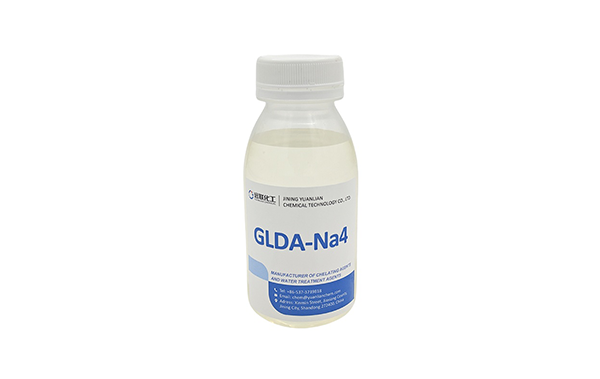
Why Choose GLDA? The Green Chelating Agent for Safe & Eco-Friendly Cleaning
Detergents added with GLDA can not only clean efficiently but also balance safety and environmental protection, becoming an increasingly popular "new choice for cleaning" among more and more families.
I. GLDA: The High-Performance and Phosphorus-Free Solution for Hard Water
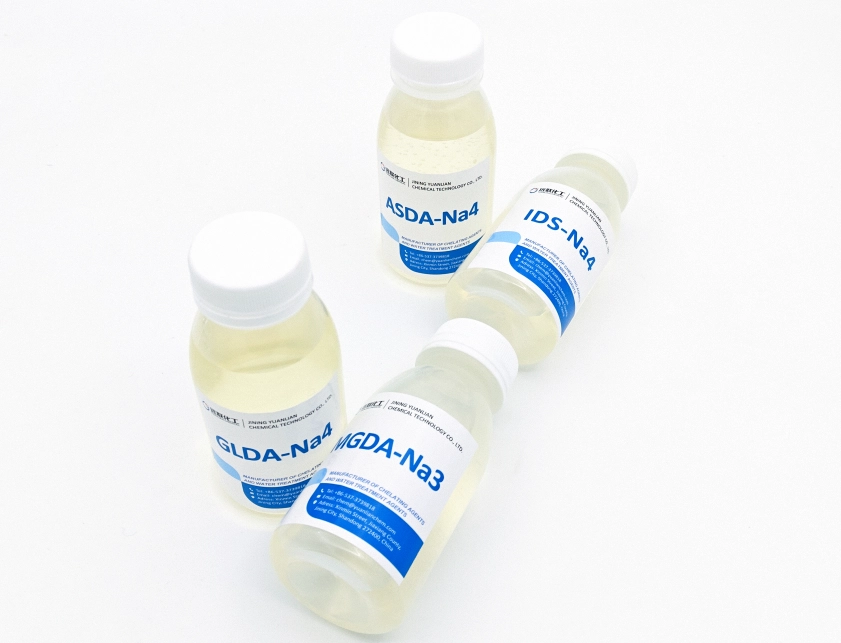
GLDA, or tetrasodium glutamate diacetate, is a green chelating agent derived from natural amino acids and is inherently suitable for the core needs of household detergents. In the past, traditional chelating agents commonly used in detergents either contained phosphorus (easily causing eutrophication of water bodies) or had weak chelating ability. In hard water, they would combine with calcium and magnesium ions to form scale, which not only reduced the cleaning power but also made clothes stiff and left water stains on tableware.
GLDA perfectly makes up for these shortcomings: it contains no phosphorus and has a biodegradation rate of 100%. After washing clothes or tableware, the wastewater can be quickly decomposed by nature without burdening rivers and lakes. More importantly, it has a strong "grabbing ability" for metal ions. Even in the high-hardness water of northern regions, it can firmly lock in calcium, magnesium, and iron ions, preventing them from interfering with the cleaning process.
For example, when families in northern China use laundry detergent containing GLDA to wash clothes, the oil stains on the cuffs can be removed with a single scrub. After drying, the clothes feel soft, without the previous stiffness. When using dishwasher detergent containing GLDA to wash dishes, the glassware is clean and transparent without water stains, and there is much less scale in the dishwasher's inner tank.
II. Protecting Sensitive Skin: Why GLDA is the "Reassurance" Choice for Baby Care
For families with babies, the low-residue property of GLDA is even more a "reassurance". Baby rompers are stained with milk, and baby food bowls are sticky with rice paste—detergent residues are the biggest concern for mothers. However, during the cleaning process, detergents containing GLDA can not only efficiently decompose these stubborn stains but also be easily rinsed clean with water.
Third-party test data shows that the residue content of such detergents is far below the national safety standards for infant products, and their skin irritation is only at the "slightly sensitive level". As early as two years ago, a well-known maternal and infant care brand incorporated GLDA into the formula of its baby-specific detergent. After its launch, the product quickly became a "must-have item" among mothers. According to the brand's backend data, the repurchase rate of this product reaches 72%, and "no residue" and "no skin redness on babies after washing" are the most frequently mentioned positive comments from users. Many mothers also share that "after using it to wash their babies' bibs, there is no strange smell after drying, and they feel very at ease when using it for their babies."
III. Sustainable Living: Transforming Detergents into Eco-Friendly Lifestyle Carriers
From solving the problem of cleaning in hard water to protecting the health of mothers and babies, and further contributing to households' practice of environmental protection, the wide use of GLDA has transformed detergents from mere "cleaning tools" into carriers of healthy lifestyle concepts.
Next time when you go to the supermarket to choose a detergent, take a moment to check the ingredient list: if you see "GLDA", it means that while enjoying the convenience of easy cleaning, you are also adding a layer of protection for your family's health and the planet's ecology.
Latest News
Need help
Prefer speaking with a human to filling out a form? call corporate office and we will connect you with a team member who can help.