20 Nov
Effective Application of Polyaspartic Acid in Water-Soluble Fertilizers for European Agriculture
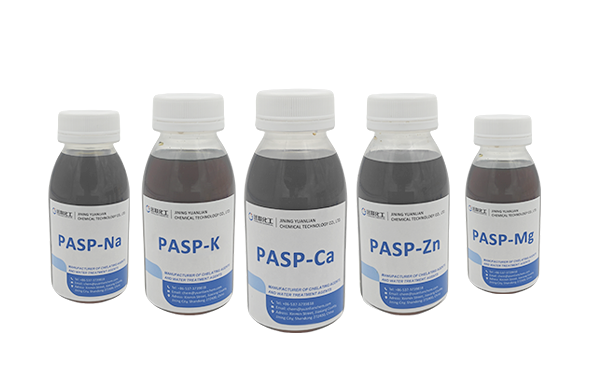
Water-soluble fertilizers represent a crucial advancement in modern agriculture, particularly within the European Union where sustainable farming practices are prioritized. These fertilizers deliver nutrients directly to plant roots through irrigation systems, reducing waste and enhancing crop yields in a region facing climate challenges and stringent environmental regulations. The integration of polyaspartic acid, a biodegradable polymer derived from natural amino acids, has revolutionized this sector by improving nutrient efficiency and aligning with Europe's green initiatives.
Polyaspartic acid functions as a multi-functional additive in water-soluble fertilizers. Its anionic nature allows it to bind with positively charged nutrient ions, such as nitrogen, phosphorus, and potassium, forming protective complexes. This coating mechanism slows down nutrient release in soils, preventing rapid leaching during rainfall or irrigation—a common issue in European soils prone to saturation. For instance, in trials across vineyards in France and wheat fields in Germany, fertilizers infused with polyaspartic acid demonstrated a 20-30% reduction in nitrogen runoff compared to conventional products, minimizing groundwater contamination and eutrophication risks in sensitive ecosystems like the Baltic Sea.
The environmental benefits extend beyond reduced nutrient loss. As a biocompatible and non-toxic compound, polyaspartic acid degrades naturally into harmless byproducts, supporting the EU's circular economy goals under directives such as the Farm to Fork Strategy. Farmers report enhanced crop uptake, as the acid's chelating properties keep micronutrients like iron and zinc in plant-available forms even in alkaline soils typical of Mediterranean regions. This boosts resilience against droughts and pests, contributing to higher organic yields without synthetic chemicals—key demands from European consumers and retailers advocating for eco-friendly produce.
Manufacturers across Europe are optimizing formulations by blending polyaspartic acid with liquid fertilizers, enabling scalable production for hydroponics and precision farming. However, challenges like higher initial costs and variable soil interactions necessitate ongoing research, with innovations focusing on custom blends for specific crops under EU funding programs like Horizon Europe. Looking ahead, continued refinement could position this technology as a cornerstone in achieving Europe's 2030 climate targets.
In summary, polyaspartic acid offers a sustainable solution for enhancing water-soluble fertilizers in European agriculture. Its ability to enhance nutrient retention, reduce ecological footprints, and comply with regional policies makes it indispensable. As innovation progresses, this approach promises to foster resilient, high-yield farming while preserving Europe's natural resources for future generations.
Latest News

Need help
Prefer speaking with a human to filling out a form? call corporate office and we will connect you with a team member who can help.