19 Nov
The Essential Role of Polyaspartic Acid in Modern Water Treatment Applications
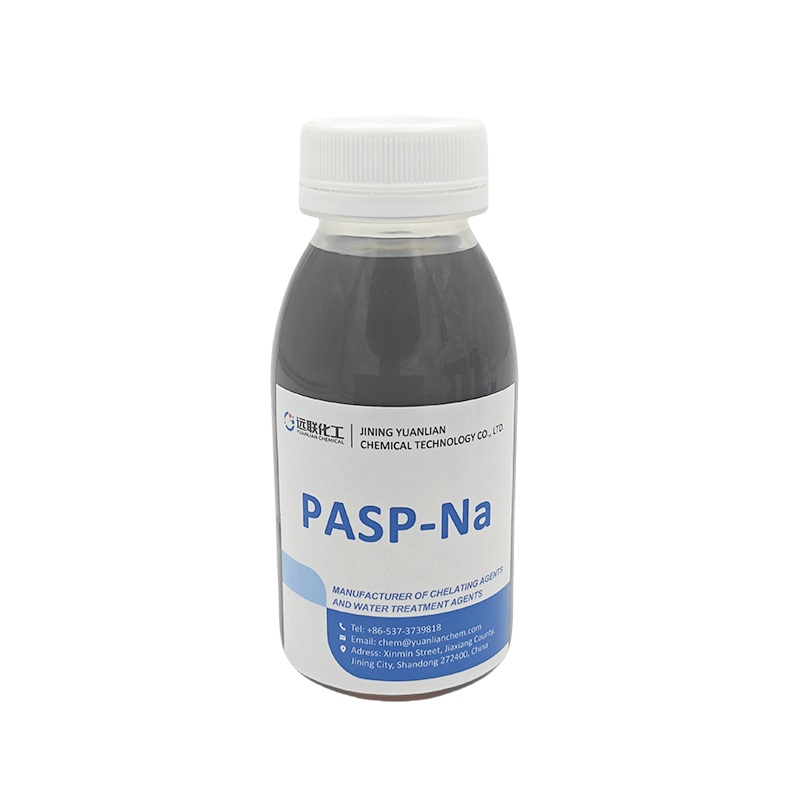
Polyaspartic Acid (PASP): A Sustainable Solution for Water Treatment
Polyaspartic acid (PASP) stands as a revolutionary polymer in the water treatment industry, offering versatile solutions for sustainable water management. Its unique molecular structure, characterized by biodegradable peptide bonds, makes it an eco-friendly alternative to traditional chemical agents. Derived from aspartic acid, PASP exhibits excellent chelating properties, enabling it to effectively bind and sequester metal ions that cause scaling and fouling. This capability is crucial in combating water hardness issues prevalent in industrial systems, enhancing the efficiency and longevity of equipment.
Superior Scale Inhibition with Polyaspartic Acid
One of the primary applications of polyaspartic acid lies in scale inhibition. In cooling towers, boilers, and desalination plants, mineral deposits like calcium carbonate and magnesium silicate accumulate rapidly, leading to reduced heat transfer efficiency and costly downtimes. PASP acts as a superior anti-scaling agent by inhibiting crystal growth through adsorption on mineral surfaces. This mechanism prevents scale formation without altering water chemistry significantly, offering a cost-effective approach for industries aiming to minimize energy consumption. Field studies in power plants demonstrate that incorporating PASP can reduce scaling incidents by up to 70%, lowering maintenance costs and extending equipment lifespan.
Effective Dispersion of Suspended Solids
Beyond scale control, polyaspartic acid excels as a dispersant for suspended solids. In wastewater treatment and municipal systems, suspended particles such as silt, clay, and organic matter form aggregates that clog filters and pipelines. PASP disperses these particles by electrostatic repulsion, keeping them suspended and easily removable. This is particularly vital in reverse osmosis membranes, where fouling compromises water purification quality. Environmental benefits emerge here, as PASP replaces synthetic polymers like polyacrylates that persist in ecosystems. Its biodegradability ensures it breaks down naturally, reducing toxic residue risks in treated water discharge. Applications in agricultural irrigation also showcase its dispersing power, preventing sediment buildup in drip systems to enhance crop yields.
Corrosion Inhibition for Water Distribution Systems
Another critical domain is corrosion inhibition in water distribution networks. Metal pipes and components face degradation from corrosive ions like chlorides and sulfates. PASP forms a protective film on metal surfaces through complexation, reducing electrochemical reactions that cause rust and leaks. This dual-action—combining scaling and corrosion control—makes it indispensable in industrial cooling circuits. For instance, in chemical manufacturing plants, PASP reduces corrosion rates by over 60% while supporting compliance with stringent water quality regulations. Its non-toxic nature further ensures safety in potable water systems, unlike phosphates or chromates, which pose health hazards.
Advancing Sustainability in Water Treatment
In sustainability-focused water treatment, polyaspartic acid promotes eco-efficiency. As industries shift toward green practices, PASP’s low environmental impact aligns with circular economy goals. It is synthesized from renewable feedstocks, reducing dependency on finite petroleum-based polymers. Innovations in biopolymer blends amplify its dispersing and anti-fouling effects, creating synergies for comprehensive water stewardship. Future advancements could see PASP integrated into smart water sensors, detecting contaminants in real-time for responsive treatment. Challenges remain, such as optimizing concentration levels for diverse applications, but ongoing research promises broader adoption in emerging markets like mining and aquaculture.
Conclusion: The Future of Water Management with PASP
Ultimately, polyaspartic acid represents a cornerstone of advanced water management, delivering reliable performance across multiple domains while championing ecological responsibility. Its role in scaling down operational costs and scaling up sustainability underscores its transformative potential in safeguarding global water resources.
Latest News

Need help
Prefer speaking with a human to filling out a form? call corporate office and we will connect you with a team member who can help.