Chelating agents: a key force for sustainable and efficient agricultural production
In the pursuit of sustainable and efficient food production, the agricultural sector continues to embrace innovative solutions. Of the many factors driving this progress, chelating agents can be described as having "molecular claws" that can form stable water-soluble complexes with metal ions. This unique property makes it a key application in agriculture for improving nutrient utilization, enhancing pesticide effectiveness, protecting agricultural facilities, and improving nutrient deficiency.
1. Fertilizer Synergist: Boosting Nutrient Absorption and Utilization Efficiency
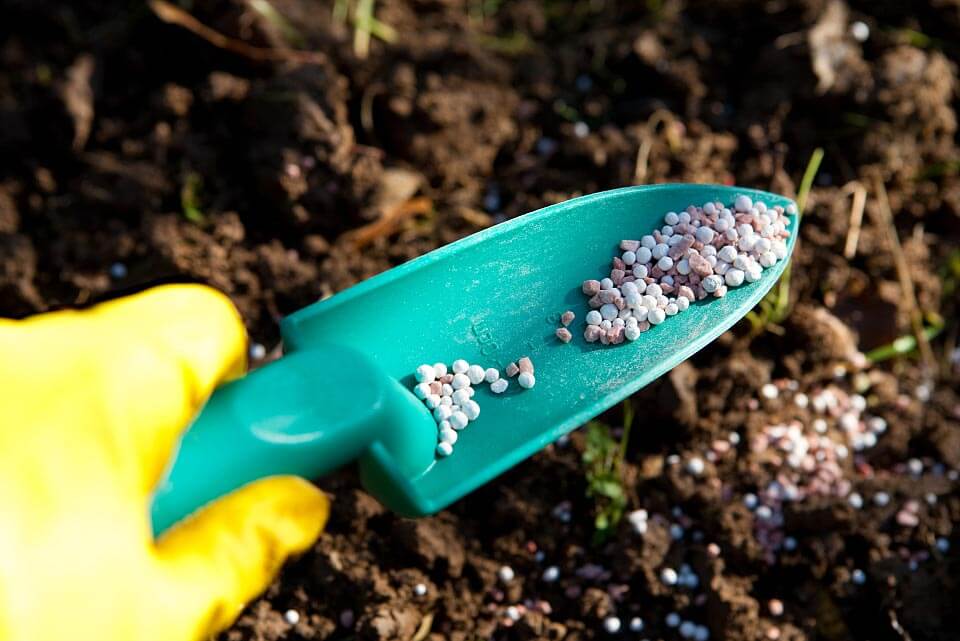
The main challenge in plant nutrition is often not the lack of nutrients in the soil, but the availability of nutrients. Essential trace elements such as iron (Fe), zinc (Zn), manganese (Mn), and copper (Cu) easily react with soil components, becoming difficult to dissolve and unable to be absorbed by plant roots. This is where chelating agents come into play: Prevent precipitation: The chelating agent can tightly bind to these micronutrient cations, preventing them from reacting with phosphates, carbonates, or hydroxides in the soil solution and being fixed, keeping them in a usable state. Improve solubility and mobility: The formed chelates have a high degree of solubility and stability, allowing nutrients to remain dissolved in the soil water and move freely, making it easy to reach the root system area. Enhanced absorption: Plants can directly absorb the entire chelate complex, or exchange nutrients efficiently on the root surface to obtain nutrients. This greatly improves the utilization efficiency of the applied trace elements. Reduce fixation: In high pH (alkaline) soils, the fixation problem of trace elements is more serious, and the chelated form is often the only effective way to transport these key elements. Commonly used chelating agents include GLDA, MGDA, IDS, etc.
2. Pesticide additives: improve performance and stability
Chelating agents play a key auxiliary role in the synergy of certain pesticides (especially herbicides, fungicides and some insecticides): Overcome the inactivation problem of hard water: Many pesticides, especially glyphosate and some sulfonylureas, easily bind with calcium (Ca) and magnesium (Mg) ions in the hard water used for spraying, resulting in the inactivation of the active ingredient. Chelating agents such as GLDA or MGDA can chelate these hard ions, preventing the inactivation of the pesticide and ensuring that it reaches the target target in its active form. Stabilizing formulations: In pesticide concentrates, chelating agents can bind metal impurities that may catalyze the degradation of the active ingredient, thereby extending the shelf life and storage stability of the product. Potential synergy effects: In some cases, chelating agents may enhance the penetration or conductivity of pesticides in plants or pests.
3. Guardians of irrigation systems: anti-scale and dispersants
Irrigation systems, especially drip and micro-irrigation systems, are highly susceptible to clogging due to the accumulation of mineral scale (e.g. calcium carbonate) and suspended particles (clay, silt, organic matter). Chelating agents are an important tool for maintaining these systems: Anti-scaling and descaling: Chelating agents such as GLDA and polyacrylate have a strong affinity for scale-forming cations such as calcium and magnesium. They can not only prevent the initial crystallization of scale formation, but also dissolve the formed deposits by chelating metal ions, keeping water pipes and nozzles unblocked. Dispersion: These substances can also act as dispersants. By binding to metal ions associated with clay particles or other suspended solids, these particles are negatively charged, repel each other and remain suspended in the water flow, preventing them from accumulating and clogging the nozzles. Extend system life and improve efficiency: Preventing clogging ensures even distribution of moisture, reduces maintenance downtime and costs, and maximizes the efficiency and service life of expensive irrigation facilities.
4. Directed Nutrition: Micronutrient Supplements
Chelating agents are the core of high-efficiency liquid micronutrient fertilizers: Improve deletion status: When deletions of specific micronutrients (e.g., iron deficiency yellowing, zinc deficiency) are detected, the application of nutrients in chelated form is the fastest and most reliable method of improvement. The chelating agent protects the nutrients and transports them directly to the root area for absorption. Good foliar spraying effect: The chelated state of micronutrients is excellent for foliar spraying. The chelating agent helps the nutrients adhere to the leaf surface and promotes their absorption by the leaf tissue, and the effect is rapid. Good compatibility: The chelated state of micronutrients is usually compatible with a variety of other fertilizers and pesticides when mixed in barrels, which facilitates efficient combined application. Products often identify the chelating agents used (e.g. Fe-EDDHA, Zn-EDTA, Cu-DTPA), depending on the target nutrients and soil pH conditions.

Conclusion: Essential Tools for Efficient Agriculture
From ensuring that plants obtain the key micronutrients they need, to maximizing the effectiveness of pesticides, protecting irrigation systems, and rapidly improving nutrient deficiencies, chelating agents are indispensable tools in modern agriculture. Their ability to precisely regulate metal ions in complex agricultural environments translates directly into improved crop yields, improved resource use efficiency, and enhanced system reliability. As agriculture continues to move towards more precise and sustainable development, the rational use of advanced chelating chemistry will remain a key factor in unlocking the full potential of agricultural production. Understanding and harnessing these versatile molecules allows growers to address soil challenges, optimize inputs, produce healthier crops, and achieve more productive harvests.