14 Oct
Unlock Lasting Freshness: How GLDA Targets Odors at Their Source in Home Care Products
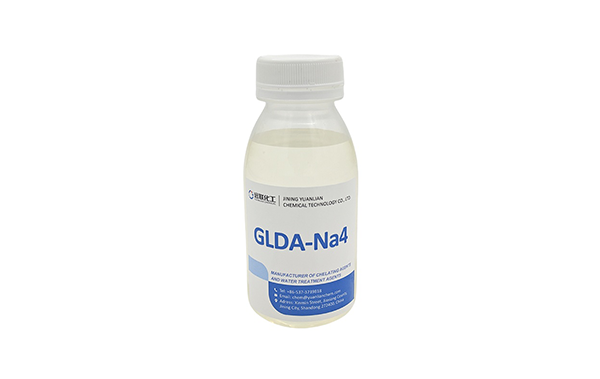
That faint musty scent clinging to gym clothes even after washing. The lingering whiff of onions on cutting boards. The stubborn smell of pet accidents on carpets. We've all experienced the frustration of odors that seem immune to conventional cleaning products. For European households increasingly prioritizing both hygiene and sustainability, these persistent smells aren't just annoyances – they represent an unmet challenge in modern home care. The key to truly conquering them lies not in masking agents or harsh chemicals, but in innovative, environmentally sound ingredients like Tetrasodium Glutamate Diacetate (GLDA).
The Revolutionary Science Behind GLDA's Odour Elimination
To understand why GLDA is revolutionary, we must first examine the complex nature of odors themselves. Malodorous molecules—think sulfur compounds from rotten eggs, volatile fatty acids from sweat, or nitrogen-containing compounds like cadaverine—are often stubbornly non-volatile or tightly bound to surfaces and fabrics. They frequently form complexes with metal ions present in hard water or on surfaces, creating mineral-odor complexes that resist conventional surfactants and water alone. Traditional approaches rely primarily on:
Masking: Overpowering bad smells with strong perfumes, offering only temporary cover.
Absorption: Trapping odor molecules in porous materials like baking soda or activated charcoal, which can saturate over time.
Oxidation: Using strong bleaches or peroxides to break down molecules chemically, effective but potentially damaging to materials, fabrics, and skin.
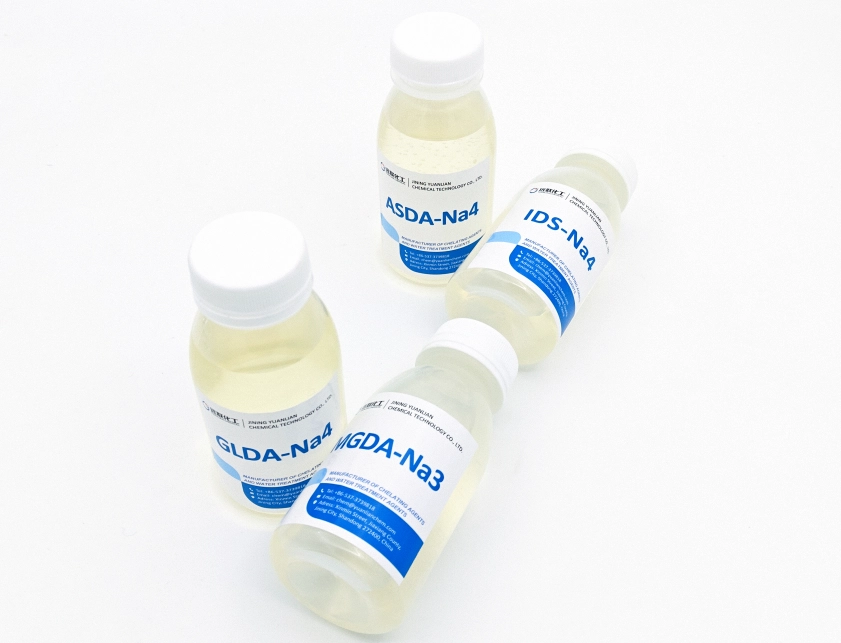
Enter GLDA, a next-generation chelating agent derived from plant-based, readily biodegradable glutamic acid. Its unique molecular structure acts like a precision tool against malodours:
Metal Ion Sequestration: GLDA excels at binding (chelating) the calcium, magnesium, iron, and copper ions ubiquitous in European tap water and surfaces. These metals often act as 'anchors' for smelly compounds. By locking these metals up into soluble complexes, GLDA effectively breaks the metal-odor bond, releasing the malodorous molecules so they can be rinsed away.
Direct Molecular Interaction: GLDA doesn’t just stop at metal removal. Its multi-dentate structure allows it to interact directly with certain odor-causing molecules, particularly sulfur-based compounds prevalent in sweat, garlic, and drain biofilm, effectively neutralizing them at the source.
Enhancing Cleaning Power: By sequestering hardness ions, GLDA prevents scum formation and allows surfactants in detergents and cleaners to work far more efficiently. This boosts overall soil and stain removal, indirectly eliminating the food sources bacteria use to produce smells.
Powering Next-Generation Cleaning Across European Homes
These mechanisms translate into tangible, noticeable benefits across diverse wash and home care applications in Europe:
Laundry Detergents: Significantly improves removal of sweat odors (isovaleric acid), mildew smells, and food residues from fabrics washed in hard water. Garments retain brightness longer without damaging fibres.
Automatic Dishwashing: Tackles cooked-on food smells on pots and pans, especially sulphur-containing compounds from cruciferous vegetables or onions. GLDA's grease-cutting enhancement leaves surfaces cleaner and more odor-free.
Hard Surface Cleaners: Efficiently removes odor-causing biofilm and soap scum residues from tiles, drains, and sinks without corrosive acids or chlorine bleaches. Its non-corrosive nature is ideal for European stainless steel appliances.
Specialised Odour Eliminators: Disrupts the organic complexes holding pet accident smells deep within fibres, outperforming simple enzymatic cleaners alone.
The Sustainable Choice for the Modern European Market
Beyond its potent deodorizing efficacy, GLDA answers the growing European demand for safety and environmental responsibility:
Plant-Based & Biodegradable: Derived from renewable glutamic acid and readily biodegradable (OECD 301).
Gentle & Safe: Excellent skin compatibility profile, crucial for concentrated cleaners and products for sensitive skin.
REACH Compliant & Phosphate-Free: Aligns with strict EU regulations and sustainability goals.
For European manufacturers seeking to upgrade their formulations with cutting-edge deodorization, GLDA presents a compelling solution. It’s time to rethink odor control, moving beyond fleeting solutions toward genuine freshness grounded in innovation and environmental stewardship.
Latest News
Need help
Prefer speaking with a human to filling out a form? call corporate office and we will connect you with a team member who can help.