15 Oct
Comprehensive Guide to Glutamic Acid Diacetate Tetra Sodium: The Eco-Friendly Chelating Agent Revolution
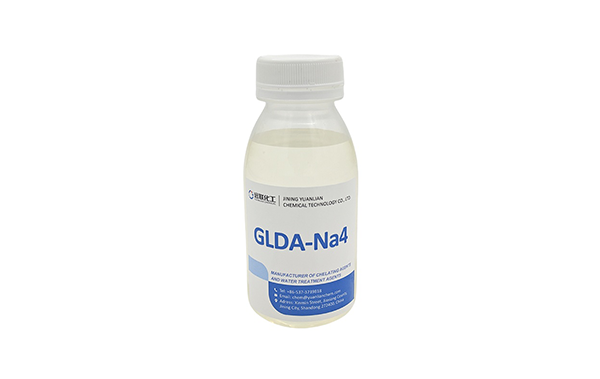
Glutamic Acid Diacetate Tetra Sodium, commonly known as GLDA or tetrasodium glutamate diacetate, represents a groundbreaking advancement in sustainable chemistry. As a chelating agent derived from renewable resources like corn-based glutamic acid, it stands out for its eco-conscious profile and versatile applications across industries. This compound, with the chemical formula C₉H₁₃NNa₄O₈, functions by binding to metal ions—such as calcium, magnesium, and iron—to prevent scaling and enhance the efficiency of various products. Originating from natural amino acids, GLDA embodies a shift towards greener alternatives in Europe's regulated markets, where environmental responsibility is paramount. Its production adheres to stringent EU guidelines, including REACH compliance, ensuring safety and biodegradability without compromising performance. For consumers and manufacturers alike, GLDA offers a tangible solution to reduce ecological footprints while maintaining high efficacy.
Applications of GLDA in Industrial and Household Products
In the realm of industrial and household applications, GLDA serves as a cornerstone for innovative products. Primarily used in detergents and cleaning agents, it tackles hard water issues by chelating minerals that cause deposits on surfaces, extending the lifespan of washing machines and boilers. This translates to longer-lasting appliances and reduced maintenance costs—a key selling point in Europe, where water hardness varies significantly by region. Beyond cleaning, GLDA plays a vital role in personal care items like shampoos and soaps, where it stabilizes formulations and prevents discoloration or degradation, contributing to smoother, safer end products. In agriculture and water treatment, it helps decontaminate soils and purify water by sequestering heavy metals, aligning with EU directives like the Water Framework Directive that prioritize ecosystem health. Such multifaceted utility makes GLDA an ideal choice for brands aiming to meet the growing demand for sustainable, user-friendly solutions.
Environmental Advantages Over Traditional Chelating Agents
One of GLDA's standout advantages is its environmental superiority over traditional chelating agents like EDTA (Ethylenediaminetetraacetic acid). While EDTA has long been favored for its chelation strength, it poses significant ecological risks due to poor biodegradability, leading to accumulation in waterways and potential harm to aquatic life. In contrast, GLDA is readily biodegradable—over 60% within 28 days under standard OECD tests—and boasts a lower eco-toxicity profile, as confirmed by European Chemical Agency evaluations. This biodegradability stems from its amino acid backbone, which naturally breaks down without leaving persistent residues, making it compliant with certifications like the EU Ecolabel. Additionally, GLDA is non-toxic to humans and animals, with a low skin irritation score, enabling safer handling in workplaces and homes. Performance-wise, it matches or exceeds alternatives in binding efficiency, working effectively in hard water conditions at temperatures up to 90°C, thus ensuring reliable results for European consumers seeking high-quality, eco-aware products.
Technical Mechanism and Real-World Performance
The technical mechanism of GLDA revolves around its molecular structure. Composed of glutamic acid derivatives bonded with diacetate groups and sodium ions, it operates through electrostatic interactions to form stable complexes with metal ions. This chelation prevents ions from participating in undesirable reactions, such as oxidation or precipitation, in formulations. Comparative studies highlight that GLDA maintains stability across a broad pH range (pH 5-12), outperforming citrates or phosphates in aggressive environments like industrial degreasers. Moreover, its low ash content and compatibility with enzymes enhance its appeal in enzymatic detergents, popular in Europe for their lower environmental impact. Real-world implementations include partnerships with major EU companies, such as in the Nordic regions where sustainable cleaning products integrated with GLDA have shown 20-30% better soil removal rates and longer shelf lives. Data from European market reports indicate rising adoption, with compound annual growth rates exceeding 5% due to stringent waste reduction policies and consumer preferences for green innovations.
Future Outlook and European Market Integration
Looking ahead, GLDA aligns seamlessly with Europe's push towards circular economies and climate neutrality goals. Regulatory shifts, like the EU Green Deal, incentivize its use by penalizing hazardous substances, making it a financially viable option for manufacturers aiming to comply without sacrificing efficacy. Consumer trends in regions like Germany and France emphasize the importance of transparency—GLDA's clear labeling and renewable origins resonate well, boosting brand loyalty. To integrate it into daily life, individuals can opt for GLDA-enriched detergents or consult suppliers for customized formulations. Ultimately, this agent exemplifies how chemistry can harmonize efficiency with environmental stewardship. By embracing GLDA, businesses and households contribute to a cleaner future, reinforcing the commitment to sustainability that defines European values and drives global progress.
Latest News

Need help
Prefer speaking with a human to filling out a form? call corporate office and we will connect you with a team member who can help.