29 Dec
Understanding Tetrasodium Glutamate Diacetate: A Comprehensive Guide to Properties, Uses, and Safety
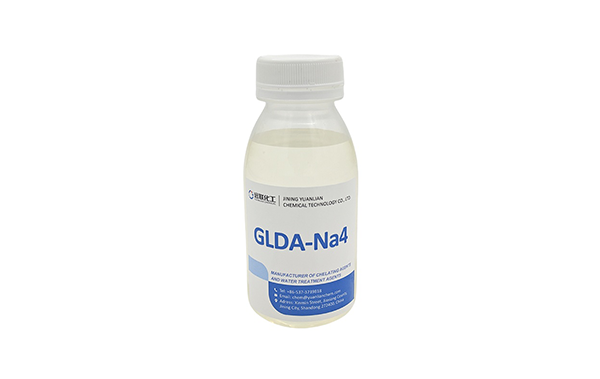
tetrasodium glutamate diacetate, commonly known as GLDA, is a biodegradable chelating agent that has gained significant attention in modern industries due to its eco-friendly profile and high efficiency. Derived from natural amino acids, it plays a crucial role in binding metal ions, preventing scale and corrosion in various systems. This compound is synthesized through the reaction of glutamic acid with acetic acid, resulting in a sodium salt that is water-soluble and non-toxic. As a sustainable alternative to traditional agents like EDTA, GLDA aligns with global green chemistry initiatives, making it a preferred choice for manufacturers aiming to reduce environmental impact. Its versatility spans multiple sectors, from household cleaners to industrial processes, offering superior performance while minimizing harm to ecosystems. For professionals and enthusiasts alike, understanding GLDA's fundamentals is key to leveraging its benefits effectively.
Delving into its physical and chemical characteristics, GLDA exhibits a range of properties that contribute to its effectiveness. Chemically represented as C9H9NNa4O8, it has a molecular weight of approximately 367 grams per mole. It is highly soluble in water, with a solubility rate that allows for easy integration into aqueous solutions. Stability is another strong suit; GLDA maintains its integrity across a wide pH range, typically from 3 to 12, making it resistant to degradation under acidic or alkaline conditions. This stability ensures consistent performance in diverse applications. The compound appears as a white crystalline powder with no distinct odor, and it has a melting point above 300 degrees Celsius, indicating high thermal resilience. Additionally, GLDA is non-flammable and non-corrosive, which enhances its safety profile during handling. Its chelating capacity is notable, binding effectively to ions like calcium, magnesium, and heavy metals, which prevents undesirable reactions in formulations. These attributes make GLDA a reliable and efficient choice for complex industrial needs, supporting its adoption in environmentally sensitive settings.
The applications of tetrasodium glutamate diacetate are extensive and diverse, driven by its chelating properties and biodegradability. In the detergent industry, GLDA is a key ingredient in liquid and powder formulations, where it softens water by sequestering hardness ions, thus improving cleaning efficiency and extending the lifespan of fabrics and surfaces. This leads to brighter results and reduced residue, which consumers appreciate. Personal care products, such as shampoos, soaps, and cosmetics, benefit from GLDA's ability to stabilize formulations, preventing discoloration and spoilage caused by metal contaminants. It ensures products remain gentle on the skin and hair while maintaining efficacy. Industrial sectors, including water treatment and boiler systems, utilize GLDA to control scale and corrosion, enhancing operational efficiency and reducing maintenance costs. For instance, in cooling towers, it minimizes deposits that can lead to equipment failure. Agriculture also sees applications, where GLDA acts as a chelator in fertilizers and pesticides, improving nutrient uptake by plants and reducing soil toxicity. Furthermore, its role in the food industry as a processing aid, though regulated, highlights its versatility. Overall, GLDA's broad utility stems from its ability to enhance performance while supporting sustainability goals, making it indispensable in modern manufacturing.
Proper storage of tetrasodium glutamate diacetate is essential to maintain its quality and extend shelf life. Store GLDA in a cool, dry place away from direct sunlight and moisture, as exposure to humidity can cause clumping or degradation. Ideal storage temperatures range between 15 to 25 degrees Celsius, avoiding extremes that might compromise its crystalline structure. Use airtight containers made of materials like high-density polyethylene to prevent contamination from dust or other chemicals. Ensure the storage area is well-ventilated to minimize any potential buildup of vapors, although GLDA is generally low-risk. Keep it separate from strong oxidizing agents or acids to prevent unintended reactions. For bulk handling, pallets should be stacked securely to avoid physical damage. Regular inspection of stored batches is recommended, checking for signs of discoloration or moisture absorption, which could indicate reduced efficacy. By adhering to these guidelines, users can preserve GLDA's integrity for up to two years under optimal conditions, ensuring reliable performance in applications.
When handling tetrasodium glutamate diacetate, several precautions must be observed to ensure safety and compliance. Always wear appropriate personal protective equipment, such as gloves, safety goggles, and lab coats, to prevent skin or eye contact. Although GLDA is classified as low-toxicity, direct exposure can cause mild irritation, so wash affected areas immediately with water if contact occurs. Avoid inhaling dust by working in well-ventilated areas or using respiratory protection during powder handling. In case of ingestion, seek medical advice promptly, though it is not highly hazardous. Environmental considerations are critical; while GLDA is biodegradable, dispose of it according to local regulations to prevent water pollution. Do not mix it with incompatible substances like strong acids, which could release harmful gases. For large-scale industrial use, conduct risk assessments and provide employee training on safe handling procedures. Regulatory aspects vary by region, so ensure compliance with agencies like the EPA or REACH. By following these precautions, users can mitigate risks and harness GLDA's benefits responsibly, contributing to safer and greener operations.
Latest News



Need help
Prefer speaking with a human to filling out a form? call corporate office and we will connect you with a team member who can help.