07 Nov
The Essential Role of Trisodium Methylglycinediacetate in Modern Cosmetic Products
Why MGDA is a Cornerstone in Eco-Friendly and High-Performance Cosmetics
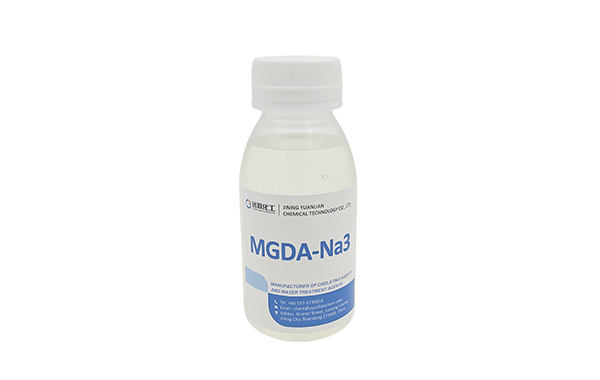
In the dynamic world of cosmetics, innovative ingredients continually redefine skincare and beauty standards. One such key player is trisodium methylglycinediacetate (MGDA), a biodegradable chelating agent derived from natural amino acids, that plays a pivotal role in enhancing product efficacy and safety. Often featured in formulations for its ability to bind metal ions, MGDA contributes to the stability, longevity, and gentleness of various skincare items, from moisturizers to sunscreens. Its chemical structure—comprising glycine derivatives and acetate groups—enables it to neutralize impurities that can cause oxidation or spoilage, thereby maintaining the integrity of sensitive actives like vitamins and antioxidants. This introduction sets the stage for exploring why MGDA has become a cornerstone in eco-friendly and high-performance cosmetic designs.
How MGDA Enhances Cosmetic Stability and Shelf Life
The functionality of MGDA hinges on its chelation properties, which are crucial for preventing the degradation of cosmetic formulas. Metal ions, such as iron and copper often found in tap water or environmental pollutants, can accelerate free radical formation, leading to product discoloration, rancidity, or reduced shelf life. By sequestering these ions, MGDA acts as a stabilizing shield, preserving the potency of ingredients like retinol or vitamin C. For instance, in anti-aging serums, this helps maintain clear textures and consistent results over months. Moreover, MGDA enhances preservative systems by boosting the effectiveness of agents against microbial growth, reducing the need for harsh synthetics and thus minimizing potential allergic reactions for consumers with sensitive skin. This dual role not only improves consumer experience but also aligns with industry shifts toward cleaner beauty, where gentle yet powerful solutions are paramount.
Dermatological and Environmental Benefits of MGDA in Skincare
Beyond stability, MGDA offers significant dermatological benefits that elevate cosmetic safety and appeal. As a naturally derived compound from plant sources like corn, it is inherently mild and non-irritating, tested extensively in studies to cause minimal sensitization even in formulations for eczema-prone users. This makes it ideal for products like facial cleansers and baby creams, where gentle care is essential. Environmentally, MGDA stands out due to its rapid biodegradability; it breaks down harmlessly in waterways without accumulating toxins, unlike older chelators like EDTA, which pose ecological risks. This eco-advantage resonates with modern consumers prioritizing sustainable choices, as MGDA-supported products often carry certifications for green chemistry, appealing to a growing market segment that values both planet health and personal wellness.
Versatile Applications of MGDA in Sunscreen, Haircare, and Color Cosmetics
In practical applications, MGDA is versatile across diverse cosmetic categories. Sunscreens utilize it to prevent mineral-based filters like zinc oxide from clumping, ensuring even coverage and higher SPF efficiency. Haircare lines incorporate it in shampoos and conditioners to soften hard water effects, leaving hair shinier and less brittle. Its adaptability even extends to color cosmetics, such as foundations, where it stabilizes pigments and prevents oxidation-induced darkening. Real-world examples include leading brands integrating MGDA into their formulas to achieve longer expiration dates and fewer consumer complaints, showcasing how this ingredient supports innovation in an industry demanding reliability and performance without compromise
The Future of MGDA in Cosmetics: Trends and Innovations
Looking ahead, the future of MGDA in cosmetics appears promising amidst regulatory and consumer trends. As agencies like the EU's Cosmetics Regulation emphasize safer substitutes, MGDA's low hazard profile positions it as a preferred alternative to synthetic chelators. Innovations may involve combining it with other natural stabilizers to enhance multifunctionality, such as boosting antioxidant synergies in serums. Ultimately, trisodium methylglycinediacetate exemplifies the move toward smarter cosmetic chemistry—balancing effectiveness, safety, and sustainability to meet evolving consumer expectations for clean, high-quality products that deliver tangible benefits.
Latest News


Need help
Prefer speaking with a human to filling out a form? call corporate office and we will connect you with a team member who can help.