24 Oct
The Advantages of Methylglycinediacetate in Modern Dishwashing Detergents: Insights for European Consumers
An Innovative Component for Sustainable Cleaning
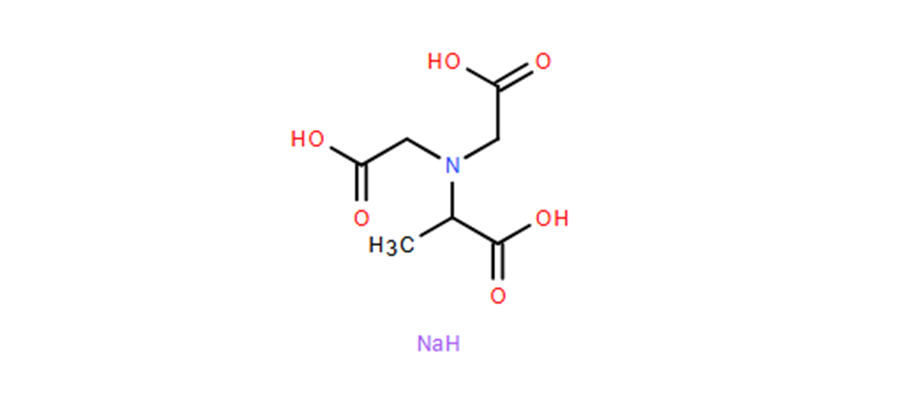
Methylglycinediacetate, often referred to as MGDA or its sodium salt form, represents a cutting-edge innovation in the cleaning industry, particularly within dishwashing detergents. Derived from natural amino acids, this chemical acts as a highly effective chelating agent, meticulously designed to bind and neutralize metal ions like calcium and magnesium commonly found in hard water. Across European households, where water quality varies considerably and environmental regulations are stringent, MGDA has emerged as a cornerstone ingredient that enhances cleaning efficacy while aligning with sustainable practices. Its introduction has transformed routine dishwashing into a more efficient and eco-responsible task, offering a superior alternative to traditional phosphate-based additives that faced scrutiny under EU directives such as the REACH regulation. This article delves into the multifaceted role of methylglycinediacetate, exploring how it optimizes detergent formulations for spotless, residue-free results and contributes to a greener cleaning ecosystem.
Chelation Mechanism and Environmental Compatibility
The fundamental mechanism of methylglycinediacetate centers on its chelation prowess. In dishwashing detergents, it functions by sequestering hardness ions that would otherwise form unsightly limescale or soap scum on glasses and plates. By preventing these deposits, MGDA ensures that surfactants—the cleaning agents in detergents—perform at peak efficiency without being neutralized by minerals. This leads to consistently sparkling dishes, even in regions with hard tap water, such as parts of the UK or Germany. Moreover, unlike older chelators like EDTA, which persist in the environment and pose ecological risks, methylglycinediacetate boasts excellent biodegradability. Within weeks, it breaks down into harmless components, making it compliant with Europe's Circular Economy Action Plan and appealing to consumers increasingly prioritizing products with low environmental impact. This biodegradability not only minimizes aquatic toxicity but also supports closed-loop systems advocated in green initiatives, reinforcing its status as a preferred choice for manufacturers seeking EU Ecolabel certifications.
Enhancing Daily Cleaning Performance
Beyond its technical capabilities, the incorporation of methylglycinediacetate into dishwashing formulations delivers tangible day-to-day benefits that resonate with European lifestyles. For instance, detergents enhanced with MGDA require lower concentrations to achieve the same cleaning power, reducing overall consumption and waste—an attribute highly valued in nations like Sweden, where resource efficiency is ingrained in cultural norms. Tests in controlled settings have shown that dishes rinsed with MGDA-fortified detergents emerge free of water spots and grease buildup, even with cold-water cycles that conserve energy. This is crucial for eco-conscious households striving to cut carbon footprints. Safety is another cornerstone; methylglycinediacetate is non-toxic and non-irritating, aligning with strict EU safety standards that ensure products are gentle on skin and safe for use in homes with children and pets. Consumer trials across France and Italy have reported high satisfaction rates due to the minimal residue and enhanced shine, translating to fewer rewashing cycles and time savings—a small but meaningful perk in busy European lives.
Market Trends and Future Development
The shift towards methylglycinediacetate reflects broader trends in the European cleaning market, where innovation meets regulatory rigor. Post-2020, as bans on phosphates took full effect, manufacturers turned to MGDA as a reliable solution, driving its adoption in popular detergent brands like Finish, Persil, and own-label lines. Market analyses indicate a steady rise in demand, fueled not only by its performance but also by its ability to support "clean chemistry" principles promoted by EU policies. For example, MGDA's production involves efficient, low-waste processes that align with the Green Deal objectives, helping companies achieve sustainability goals while maintaining cost-effectiveness. In addition, it excels in concentrated "eco" detergents, which reduce packaging and transportation emissions—another win for Europe's climate ambitions. Looking ahead, research is exploring synergies with other biodegradable additives, such as enzymes, to create even more potent, multi-functional cleaners. This forward momentum underscores why methylglycinediacetate is not just an ingredient of convenience but a pivotal element in the journey toward a healthier planet.
Conclusion: A Key Element in Sustainable Cleaning
In sum, methylglycinediacetate stands as a vital asset in dishwashing detergents, perfectly suited to European sensibilities. Its role extends beyond mere cleaning to fostering a culture of environmental stewardship and innovation. As consumers continue to seek products that deliver results without compromise, methylglycinediacetate promises enduring relevance, paving the way for sustainable dishwashing routines that protect both homes and ecosystems for generations.
Latest News

Need help
Prefer speaking with a human to filling out a form? call corporate office and we will connect you with a team member who can help.