Introduction: The Rising Pressure on European Cleaning Formulators
For years, phosphonates and EDTA dominated the chelating agent market in European industrial and household cleaning products. They worked. They were cheap. But they also persisted in the environment. Today, the regulatory landscape has changed dramatically. The EU Detergents Regulation (EC) No 648/2004, along with evolving Ecolabel criteria and the European Green Deal, is pushing formulators toward biodegradable alternatives.
Consumers are also demanding transparency. A cleaning product that claims to be "eco-friendly" but contains non-biodegradable chelators no longer passes scrutiny in German, French, or Nordic markets. Enter GLDA—tetrasodium glutamate diacetate. This next-generation chelator delivers high performance, rapid biodegradability, and full compliance with Europe's strictest environmental standards.
What Is GLDA? Chemistry That Works With Nature
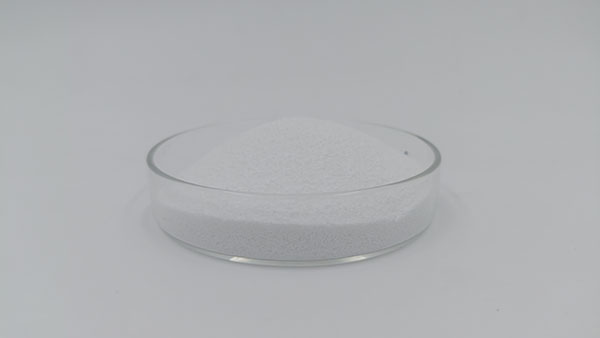
GLDA (tetrasodium glutamate diacetate) is a chelating agent based on glutamic acid, a naturally occurring amino acid. Its molecular structure features two acetate groups attached to a glutamate backbone, creating a strong binding affinity for divalent and trivalent metal ions—especially calcium, magnesium, iron, and manganese.
What makes GLDA exceptional is its combination of chelation strength and environmental compatibility. It forms stable complexes with metal ions across a wide pH range (2–12), making it suitable for acidic descalers, neutral detergents, and caustic industrial cleaners alike. Yet unlike EDTA or phosphonates, GLDA biodegrades rapidly in both freshwater and marine environments.
Key properties at a glance:
High solubility in water
Stable across temperature and pH
Effective at low dosages
Non-toxic to aquatic organisms
No phosphorus content
Why European Cleaning Formulations Are Switching to GLDA
1. Regulatory Compliance Without Compromise
Europe is leading the global phase-out of persistent chemicals. The EU Ecolabel for detergents and industrial cleaners explicitly rewards biodegradable chelators. GLDA is included in the Detergents Ingredient Database (DID) list, with a high biodegradation rate exceeding 60% within 28 days (OECD 301B). It also meets the criteria for the Nordic Swan Ecolabel and the German Blue Angel.
For formulators selling into France, Germany, and Benelux, using GLDA is not just an environmental choice—it is a market access requirement. Private label buyers in these regions increasingly reject finished products containing EDTA or DTPA, regardless of performance.
2. Performance That Matches or Exceeds Traditional Chelators
Some formulators worry that "biodegradable" means "weak." GLDA proves otherwise. In side-by-side testing, GLDA demonstrates calcium chelation capacity comparable to EDTA and superior to citric acid or sodium gluconate. For applications involving hard water—common in southern Europe and the UK—GLDA keeps surfactants active, prevents scale deposition, and improves rinsing.
In automatic dishwashing (ADW) tablets, GLDA is already the benchmark. It prevents filming on glassware, removes tea and coffee stains, and performs reliably even in short, low-temperature cycles favoured by modern European dishwashers.
3. Compatibility with Modern Formulation Trends
European cleaning brands are moving toward compact, high-performance, and multi-purpose formats. GLDA fits perfectly. It is compatible with enzymes, bleaches (including TAED and percarbonate), non-ionic surfactants, and anionic surfactants. It does not hydrolyse under alkaline conditions, unlike some ester-based chelators.
For liquid laundry detergents, GLDA helps stabilise the formulation and protect sensitive fabrics from metal-catalysed oxidation. In industrial CIP (clean-in-place) systems, it removes hard water scale and iron deposits without the environmental baggage of phosphonates.
Regulatory Status: What You Need to Know
GLDA (tetrasodium glutamate diacetate) is listed under CAS number 51981-21-6. It is approved for use in the EU under the Detergents Regulation (EC) No 648/2004 and its amendments. No specific concentration restrictions apply for professional or household products, though good manufacturing practice always applies.
For formulators exporting into the EU, GLDA is fully REACH registered. It is not classified as hazardous under CLP Regulation (EC) 1272/2008. This simplifies Safety Data Sheet (SDS) preparation and reduces compliance burdens for downstream users.
Importantly, GLDA is also authorised for use in food contact cleaning applications, provided appropriate rinsing protocols are followed. This makes it suitable for dairy, beverage, and food processing plants across Europe.
Dosage and Application Guidelines
Optimal GLDA dosage depends on water hardness and specific soil types. Below are practical starting points.
| Application | Typical GLDA active % | Function |
|---|---|---|
| Automatic dishwashing (ADW) tablets | 5–15% | Scale prevention, glass protection |
| Liquid laundry detergents | 1–3% | Hardness control, stabilisation |
| Industrial CIP cleaners | 2–8% | Iron and calcium removal |
| All-purpose household cleaners | 0.5–2% | Improved soil suspension |
| Vehicle wash formulations | 1–4% | Preventing spotting on paint |
GLDA is typically supplied as an aqueous solution (around 38–40% active content). It can be added directly during formulation—no special heating or neutralisation required. For powder detergents, spray-dried GLDA grades are available.
Comparison with Traditional Chelators
| Chelator | Biodegradation (28d OECD) | Ca binding capacity (mg Ca/g) | EU Ecolabel allowed | Sensory impact |
|---|---|---|---|---|
| EDTA | Poor (non-biodegradable) | ~220 | No | Neutral |
| Phosphonates (ATMP, HEDP) | Very poor | ~250–300 | Restricted | Neutral |
| Citric acid | Readily | ~80 | Yes | Can leave residue |
| Sodium gluconate | Readily | ~50 | Yes | None |
| GLDA | Readily (>60%) | ~200 | Yes | None |
EDTA and phosphonates still win on raw calcium binding numbers, but the gap is narrow. When you factor in regulatory risk and consumer perception, GLDA becomes the rational choice for any brand serious about the European market.
Real-World Success Across Europe
A German manufacturer of professional dishwasher detergents reformulated their best-selling powder from phosphonate-based to GLDA-based in 2022. The result: identical cleaning performance, zero customer complaints about spotting or filming, and immediate qualification for the EU Ecolabel. Their Nordic distributor reported increased shelf space allocation because retailers now prioritise labelled products.
Similarly, a French industrial cleaning company serving the agri-food sector replaced EDTA with GLDA in their CIP alkaline cleaner. They observed faster rinsing times (reduced water use by 12%) and no biofilm recurrence linked to iron deposits. The plant manager noted that the change also simplified their environmental reporting.
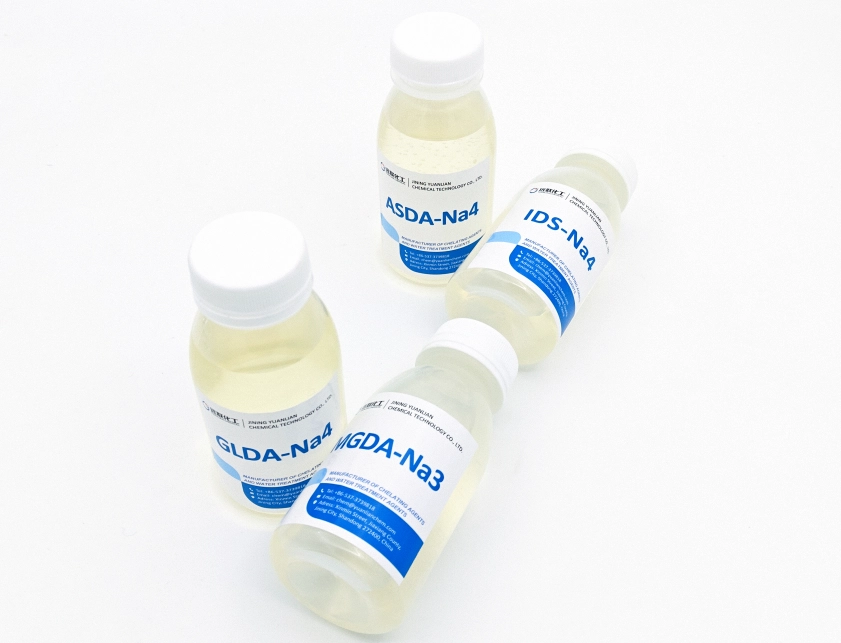
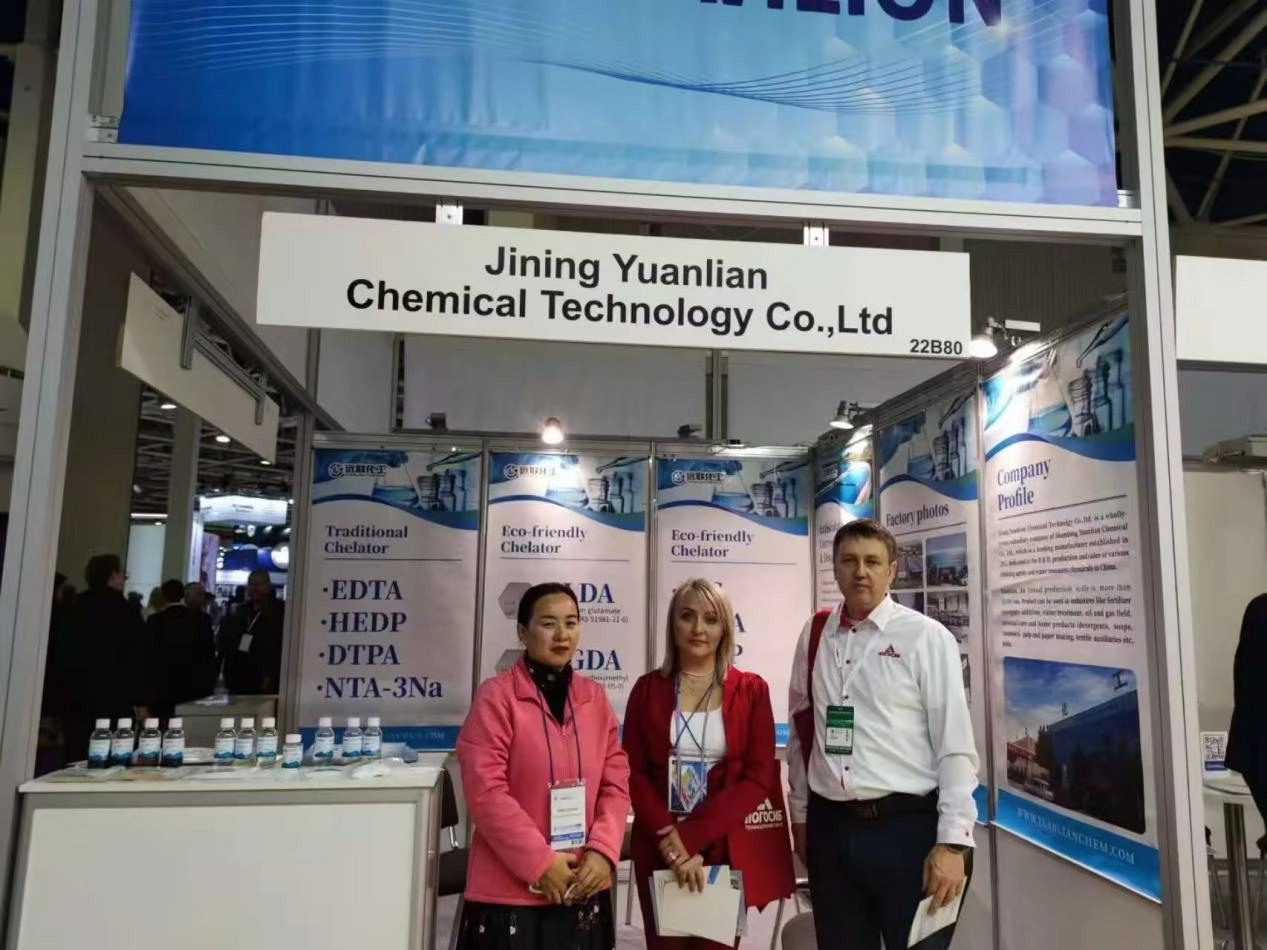
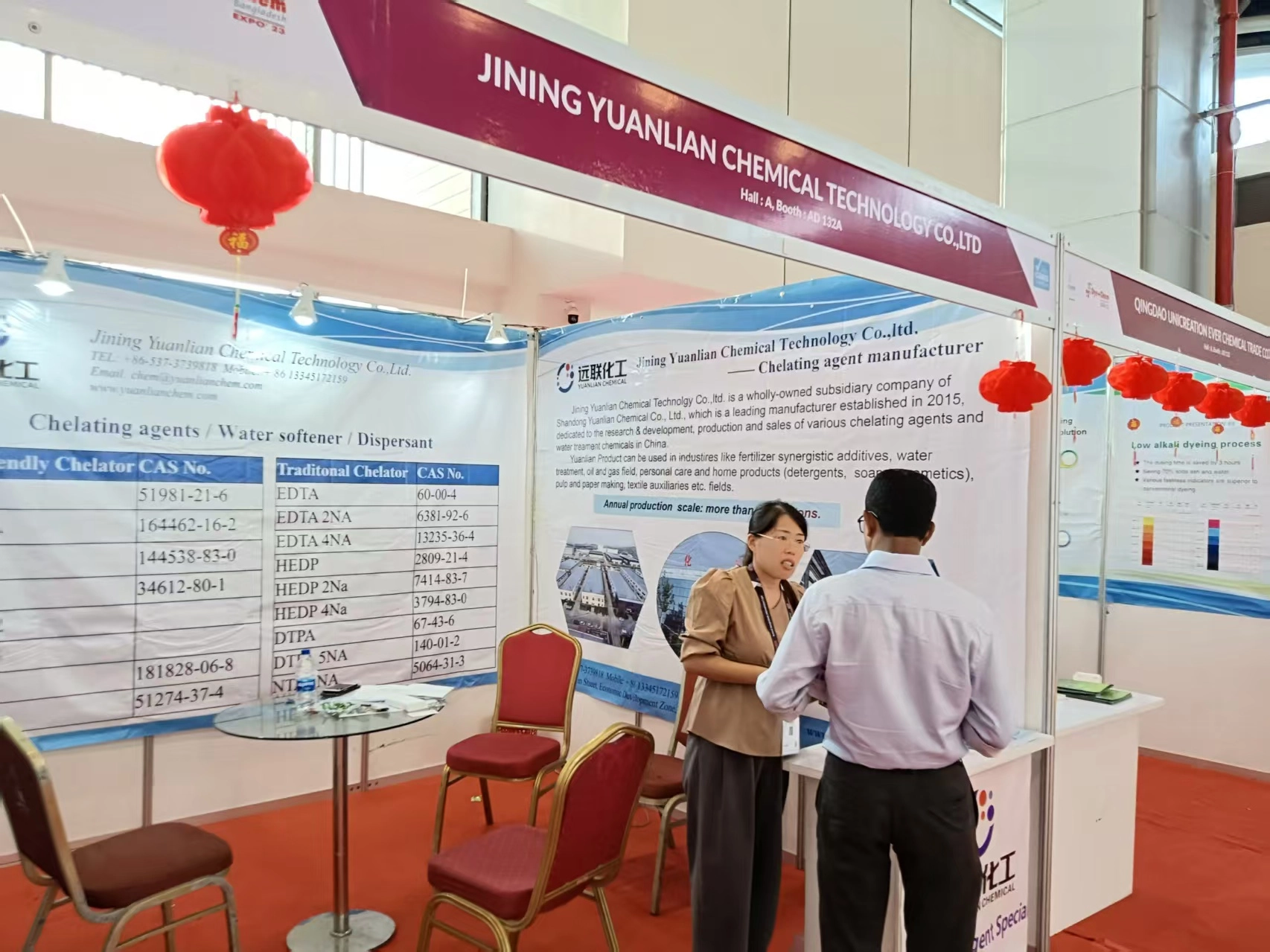
Reliable supply matters for such transitions. Yuanlian Chemical produces high-purity GLDA solution meeting EU specifications, with consistent active content and low heavy metal residuals. Several European blenders have already qualified Yuanlian as an alternative source, reducing dependency on single suppliers.
FAQ – Optimised for Voice Search and Quick Answers
Is GLDA really biodegradable?
Yes.
GLDA is readily biodegradable according to OECD 301B, reaching over 60%
degradation within 28 days. It does not persist in surface water or
sediment.
Can GLDA replace EDTA completely?
In
most cleaning applications—dishwashing, laundry, hard surface cleaning,
and industrial CIP—yes. For specialised pharmaceutical or analytical
applications, EDTA may still be preferred, but the trend is moving away.
Does GLDA work in cold water?
Absolutely.
GLDA is effective at temperatures as low as 10°C, which is critical for
cold-water laundry detergents now encouraged by energy-saving programs
across Europe.
Is GLDA safe for septic systems?
Yes.
GLDA is not toxic to anaerobic bacteria in septic tanks or wastewater
treatment plants. It degrades before reaching groundwater.
What about cost?GLDA is typically more expensive than EDTA on a per-kilo basis. However, because it can be used at lower active levels in some formulations, and because it eliminates regulatory risks, the total cost of ownership is often lower.
Conclusion and Actionable Advice
European cleaning formulators no longer have to choose between performance and sustainability. GLDA (tetrasodium glutamate diacetate) delivers both. It chelates hard water ions effectively, works across a wide pH and temperature range, and degrades cleanly without leaving persistent residues. Most importantly, it meets current and upcoming EU regulations without compromising on cleaning results.
Recommended next steps for your formulation team:
Run a comparative test – Replace EDTA or phosphonates with GLDA in your best-selling product at equivalent active chelation levels.
Check glassware and fabric results – Evaluate filming, spotting, and soil removal side-by-side.
Review regulatory labelling – Confirm that GLDA allows you to claim EU Ecolabel or Nordic Swan eligibility.
Assess total cost – Include regulatory risk, waste treatment savings, and marketing value, not just raw material price.
Qualify a reliable supplier – Consistency matters. Yuanlian Chemical offers EU-compliant GLDA with batch traceability, used by formulators across Italy, Spain, and Poland.
The shift away from persistent chelators is already accelerating. Brands that move early to GLDA will not only avoid regulatory disruption—they will gain a clear marketing advantage. Clean performance. Clear conscience. That is the future of European cleaning.