01 Aug
IDS: An “Efficient Nutrient Carrier” Empowering Agricultural Growth
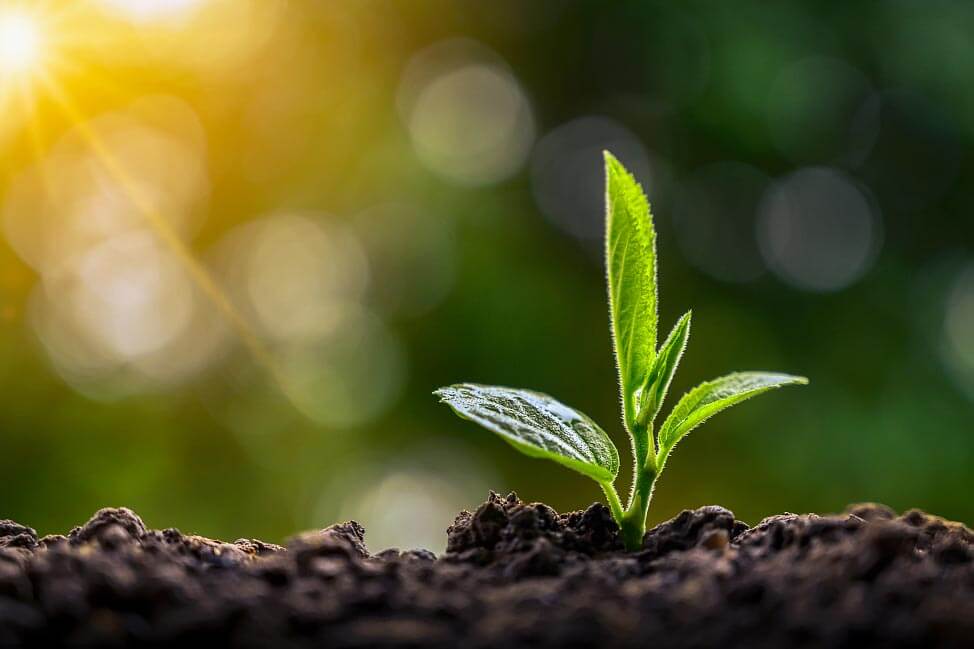
In the context of agriculture's continuous pursuit of high yield, quality, and green sustainability, a product that can precisely help crops absorb nutrients and improve their growth status will always be favored by farmers. Iminodisuccinic acid sodium salt (IDS), as an efficient chelating agent, is gradually showing unique advantages in the agricultural field, injecting strong impetus into crop growth.
I. IDS: Opening Up a “Green Channel” for Crop Nutrient Absorption
Crop growth is inseparable from trace elements such as Fe, Zn, and Mn. These elements, like the “growth vitamins” for crops, directly affect photosynthesis, enzyme activity, and fruit quality. However, trace elements in the soil often combine with other substances to form insoluble compounds, making it difficult for crops to “obtain what they need”, resulting in problems such as yellowing due to nutrient deficiency and stunted growth.
With its excellent chelating ability, IDS can form stable and water-soluble complexes with trace elements, just like installing a “navigation system” for nutrients, allowing them to avoid “obstacles” in the soil and directly reach the crop roots and leaves. This characteristic enables crops to obtain the required trace elements more smoothly, effectively improving problems such as leaf yellowing caused by nutrient deficiency, keeping crop leaves green and shiny, and enhancing the efficiency of photosynthesis.
II. Optimization of Crop Growth Status by IDS: Visible Effects
In actual planting scenarios, the optimization effect of IDS on crop growth status is very significant, benefiting both field crops and fruits and vegetables.
For field crops such as wheat, after the reasonable use of IDS, one can obviously feel the improvement in the growth trend of wheat. The straw becomes more tough and less likely to lodge in windy and rainy weather, laying a solid foundation for a good harvest in the later period. The leaves also appear healthier and more expanded, providing good conditions for nutrient conversion and accumulation.
In the cultivation of fruits and vegetables, the role of IDS is also surprising. Take tomatoes as an example. After treatment with IDS, the fruit coloring is more uniform, looking attractive in color. The taste is also sweeter, which can better meet consumers’ demand for high-quality fruits and vegetables. At the same time, the storage and transportation resistance of the fruits is also enhanced, allowing fresh fruits and vegetables to reach consumers more smoothly.
In addition, IDS is very friendly to the soil environment. It can regulate the activity of heavy metal ions in the soil, reduce the absorption of heavy metals by crops, and add a guarantee for the safety of agricultural products, letting farmers grow with confidence and consumers eat with peace of mind.
III. IDS: An Ideal Choice for Modern Agricultural Needs
With the increasing demand of consumers for green and organic agricultural products, the advantages of IDS have become more prominent. It has good biodegradability and can be decomposed into harmless substances by microorganisms in the soil without leaving residual pollution, fully conforming to the development concept of green agriculture.
Compared with traditional chelating agents, IDS has a wider range of applications. It can play a stable role in acidic, neutral, and slightly alkaline soils, and has good compatibility with pesticides and fertilizers, making it more convenient for farmers to use. Whether it is foliar spraying, drip irrigation, or base fertilizer application, IDS can be flexibly adapted to provide precise nutrition solutions for different crops and different planting modes.
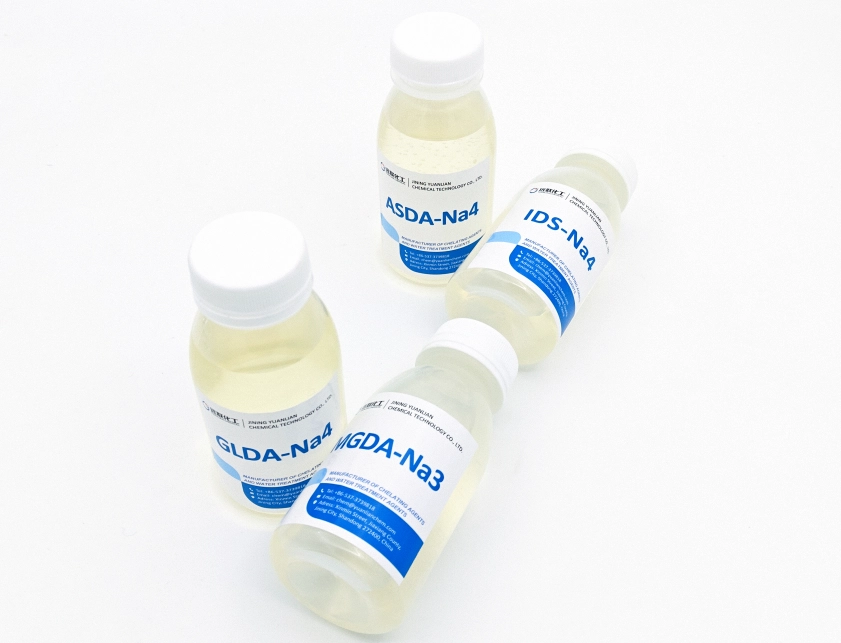
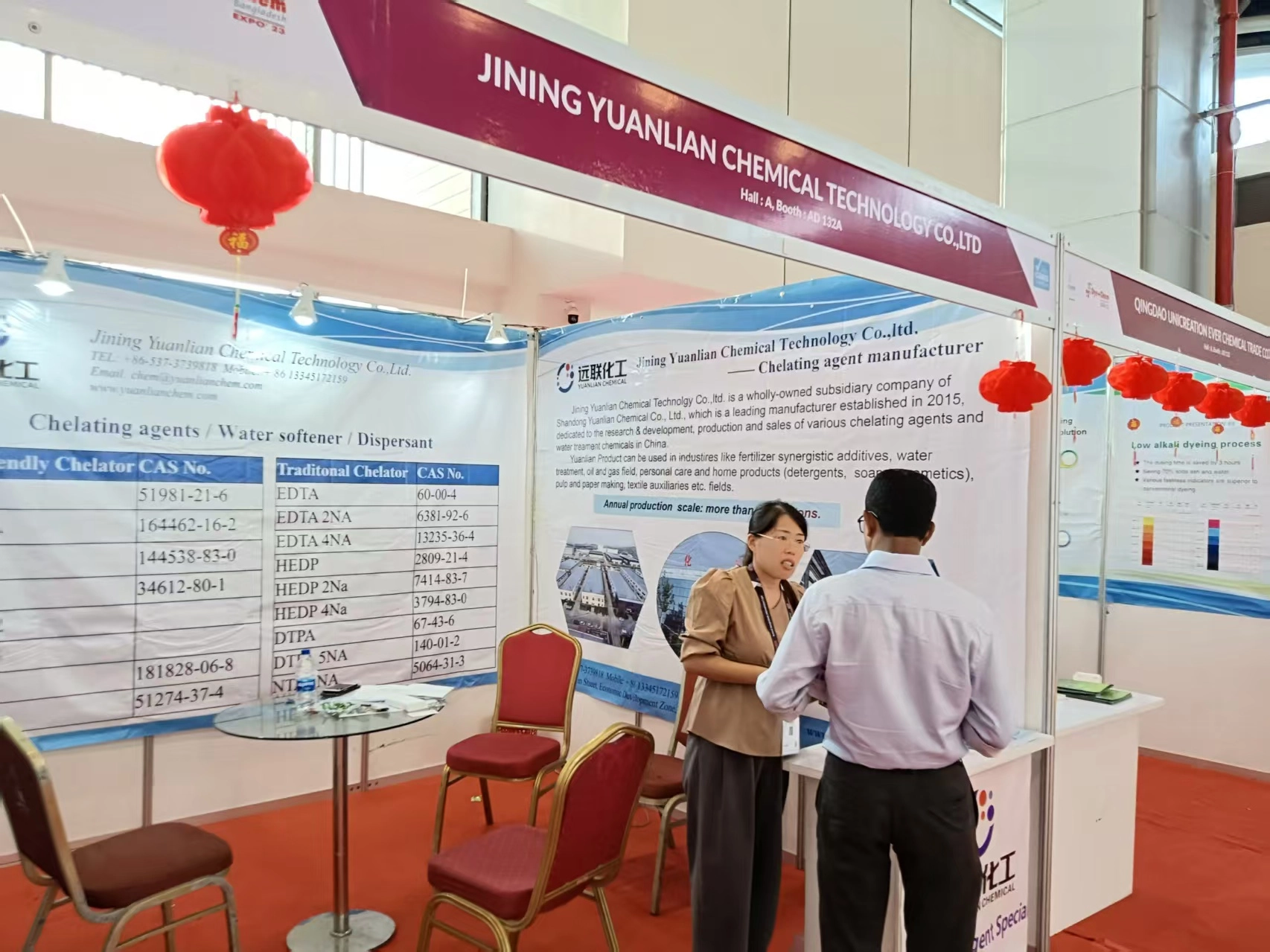
YUANLAIN CHEMICAL is a leading manufacturer of iminodisuccinic acid sodium salt.
- Previous:No Data Available
-
Previous
PASP: A Green Helper in Agricultural Planting
Latest News

Need help
Prefer speaking with a human to filling out a form? call corporate office and we will connect you with a team member who can help.