15 Jan
Effects of Polyaspartic Acid Fertilizers on Major Crops
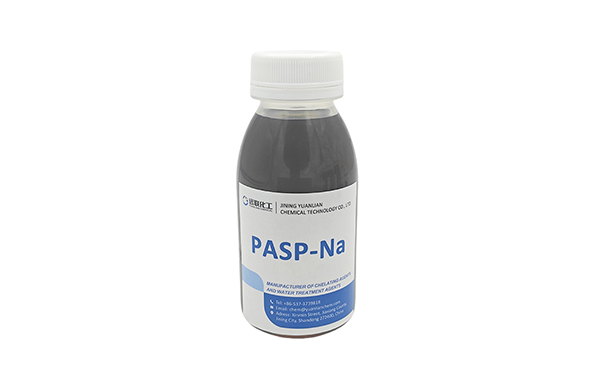
Polyaspartic acid (PASP), a biodegradable and environmentally friendly material, improves fertilizer utilization by densely binding with nutrient ions, while also enhancing nutrient retention in the soil and reducing nutrient loss. This process results in the growth of Polyaspartic acid (PASP)'s side chains, driving the growth of complex groups and playing a vital role in agricultural production. Field trials have shown that fertilizers containing Polyaspartic acid (PASP) significantly increase the yield and economic benefits of three major staple crops: rice, corn, and wheat. Rice yield increased by over 12.15%, with a net benefit of over 255.09 yuan per mu (1 mu = 667 m²). While reducing fertilizer use by 20%, corn yield increased by 10.40%, while wheat yield increased by 16.65%, with an additional profit of 222.83 yuan per mu. Future research on the application of phosphorus-containing aspartic acid fertilizers on different crops and at different growth stages should be strengthened to promote their industrial application. Polyaspartic acid (Polyaspartic acid (PASP)) is a soluble biomimetic drug belonging to the class of polyketides. It is naturally found in snail and mollusk shells and is internationally recognized as a "green chemical." In recent years, thanks to recent technological developments, Polyaspartic acid (PASP) has demonstrated even greater performance in agricultural applications. This article reviews the research progress of Polyaspartic acid (PASP) over the past three years and its application in major grains such as wheat, corn, and rice. This article analyzes the current role of Polyaspartic acid (PASP) and explores future research directions, aiming to provide theoretical and technical references for its current agricultural applications.
1. Derived Physicochemical Properties and Synergistic Mechanisms of Polyaspartic acid (PASP)
The Polyaspartic acid (PASP) molecular structure contains numerous reactive groups, such as carboxyl groups (—COOH) and peptide bonds (—CO—NH—). These groups impart excellent solubility, hydrophilicity, and chemical activity to Polyaspartic acid (PASP). The peptides in the Polyaspartic acid (PASP) backbone are susceptible to cleavage by fungal growth, ultimately degrading into environmentally benign protease inhibitors and hydrophilic compounds. As a biodegradable and environmentally friendly material, Polyaspartic acid (PASP) improves fertilizer matrix by binding to nutrient ions, enhancing nutrient retention in soil and reducing nutrient loss. Through optimized synthesis processes, Polyaspartic acid (PASP), in addition to the advantages of conventional Polyaspartic acid (PASP), possesses longer molecular chains and more active groups, resulting in a three-dimensional network structure. This significantly enhances its intercalation and stability, resulting in superior performance in moisture production.
2. Effects of Polyaspartic acid (PASP)-Containing Fertilizers on major Crops
Based on field application trials across various crops, representative results were selected from nearly 40 field application trials on rice, corn, and wheat to minimize the impact of spatial and planting differences on test data. These results demonstrate the positive effects of Polyaspartic acid (PASP)-containing fertilizers on agronomic traits (yield, number of ears, number of grains per ear, 1000-grain weight, etc.) and economic traits (cost savings, output value, purity, and input-output ratio, etc.) of these three staple crops.
The treatment with a basal application of 50 kg/mu of Polyaspartic acid (PASP) fertilizer and a topdressing of 10 kg/mu of tillering fertilizer (urea) achieved the highest rice yield and net efficiency.
Polyaspartic acid (PASP) fertilizers can effectively and continuously increase nutrient accumulation in the aboveground portion of corn, thereby boosting corn yield, achieving the goals of reducing weight, increasing yield, and protecting the environment.
The application of nitrogen-containing Polyaspartic acid (PASP) fertilizers can meet the nutrient needs of wheat growth, contributing to increased yield.
The Polyaspartic acid (PASP) molecule and the rice base possess strong adsorption, dispersion, absorption, and slow-release properties, enriching nitrogen, phosphorus, potassium, and trace elements in the soil for crop absorption and utilization, thereby improving their utilization efficiency. Consequently, Polyaspartic acid (PASP) fertilizers are often evaluated as fertilizer synergists and slow-release agents in agricultural production, demonstrating significant yield- and efficiency-enhancing effects in staple crops such as rice, corn, and wheat. Field trial results show that, compared to conventional fertilizers, applying Polyaspartic acid (PASP) fertilizers not only increases crop yields, but also achieves the highest yields and net benefits in rice trials. In corn trials, Polyaspartic acid (PASP) fertilizer treatments increased corn yields by 55.63% and 10.40%, respectively, compared to unfertilized and fertilized treatments. In wheat trials, Polyaspartic acid (PASP) fertilizer treatments increased yields by 16.65%, compared to fertilized treatments. Furthermore, Polyaspartic acid (PASP) fertilizers offer environmental advantages, improving nutrient utilization efficiency and reducing the impact of nutrient loss on the environment.
Polyaspartic acid (PASP) fertilizers not only increase the yield and income of staple crops, while reducing fertilizer consumption and increasing efficiency, but also enhance the yield and quality of cash crops. Compared with foliar spraying of macronutrient water-soluble fertilizers, foliar spraying of Polyaspartic acid (PASP)-containing water-soluble fertilizers increased tomato stem diameter by 23.04% and yield by 5.15%. Soluble sugar and lycopene content in tomatoes increased by 11.68% and 16.30%, respectively, and the sugar-acid ratio increased by 29.29%. This indicates that Polyaspartic acid (PASP)-containing fertilizers not only increase yield but also significantly enhance tomato flavor and nutritional quality.
Currently, Polyaspartic acid (PASP) fertilizers are primarily applied through three methods: fertilizer additives, foliar spraying, and treatment. Compared with other surface fertilizers, foliar spraying of Polyaspartic acid (PASP)-containing fertilizers significantly improves crop quality, and combining them with other fertilizers further increases yield. The next step is to further validate this through field trials, expand the application scope of Polyaspartic acid (PASP)-containing fertilizers, and develop more precise application techniques tailored to the growth stages of different crops.
The development of a series of Polyaspartic acid (PASP)-containing compound fertilizers with low costs, high benefits, excellent yield-increasing effects, and environmental friendliness is of great significance, both in the coordinated development of agricultural production and ecology, and in terms of cost reduction, efficiency improvement, energy conservation, and emission reduction. The application of Polyaspartic acid (PASP)-containing fertilizers on staple crops has demonstrated excellent yield and income increases, not only improving crop yields and economic benefits, but also reducing the use of chemical fertilizers, improving fertilizer utilization, and minimizing adverse environmental impacts. Further optimizing the application technology of Polyaspartic acid (PASP)-containing fertilizers and strengthening the verification of their effectiveness across different crops and growth stages will help promote their industrial application and contribute further to the development of modern agriculture.
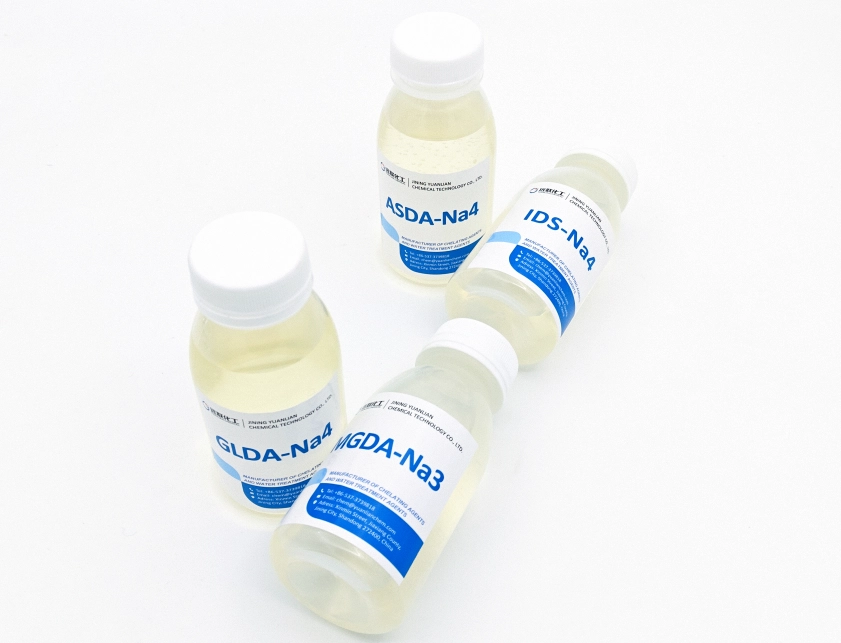
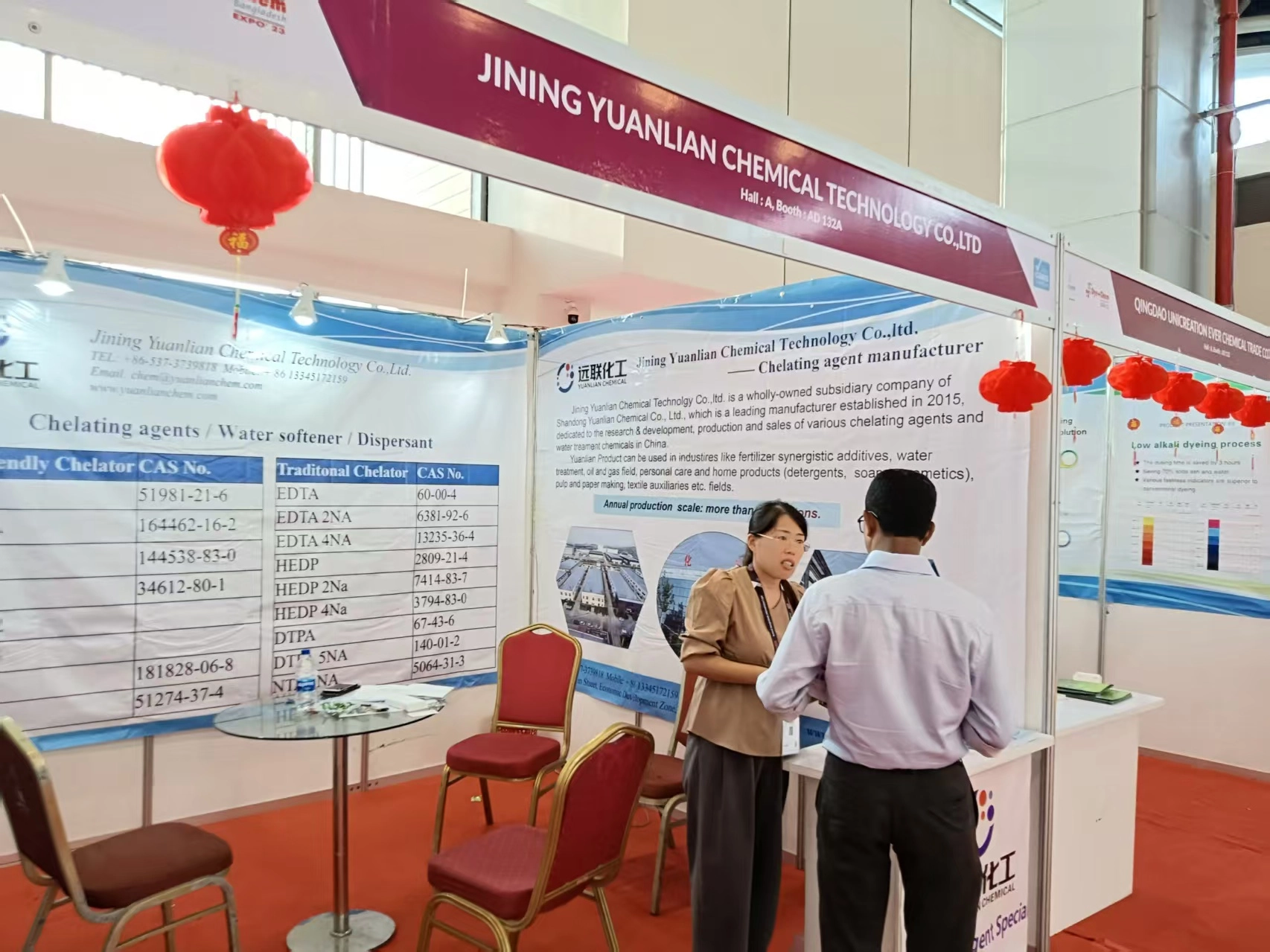
Jining Yuanlian Chemical Technology CO, can produce below Polyaspartic Acid Fertilizers :
l Polyaspartic Acid sodium; Sodium polyaspartate (PASP Na),
l Polyaspartic Acid potassium; potassium polyaspartate (PASP K),
l Polyaspartic Acid calcium; calcium polyaspartate (PASP Ca),
l Polyaspartic Acid magnesium; magnesium polyaspartate (PASP Mg),
l Polyaspartic Acid zinc; zinc polyaspartate (PASP Zn), etc.
Jining Yuanlian Chemical Technology CO, also can produce below iminodisuccinate(IDS) series Fertilizers :
l Sodium iminodisuccinate (IDS Na),
l potassium iminodisuccinate (IDS K),
l iron iminodisuccinate (IDS Fe),
l calcium iminodisuccinate (IDS Ca),
l magnesium iminodisuccinate (IDS Mg),
l zinc iminodisuccinate (IDS Zn), etc
If you are interested in Polyaspartic Acid Fertilizers and iminodisuccinate(IDS) series Fertilizers , please contact : [email protected] Tel: +86 537 3739818.
Latest News

Need help
Prefer speaking with a human to filling out a form? call corporate office and we will connect you with a team member who can help.