19 Sep
Differences in the uses of disodium EDTA, tetrasodium EDTA, and EDTA acid
Product indicators
Ethylenediaminetetraacetic acid
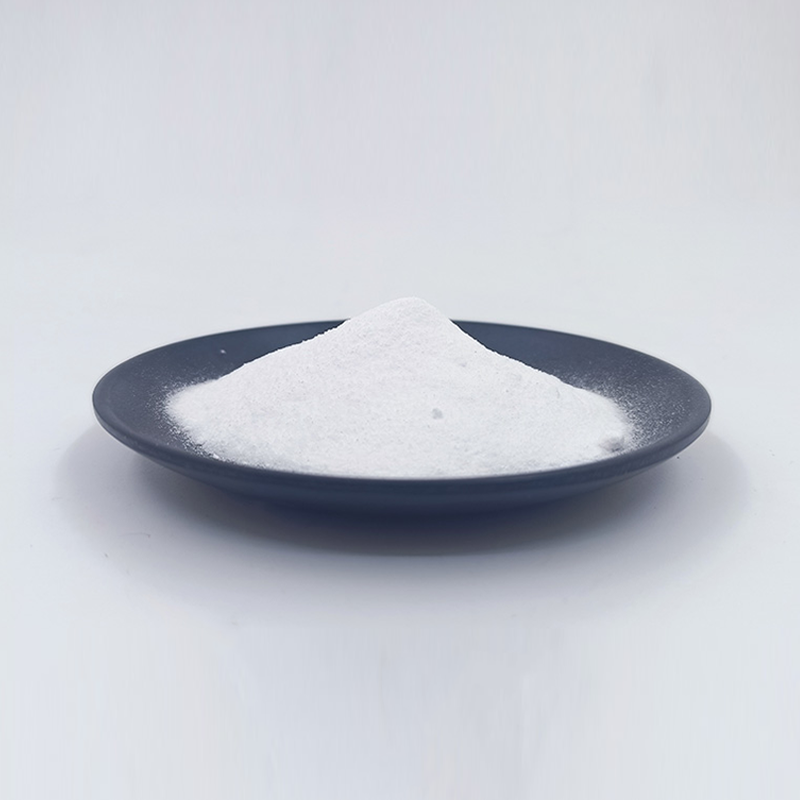
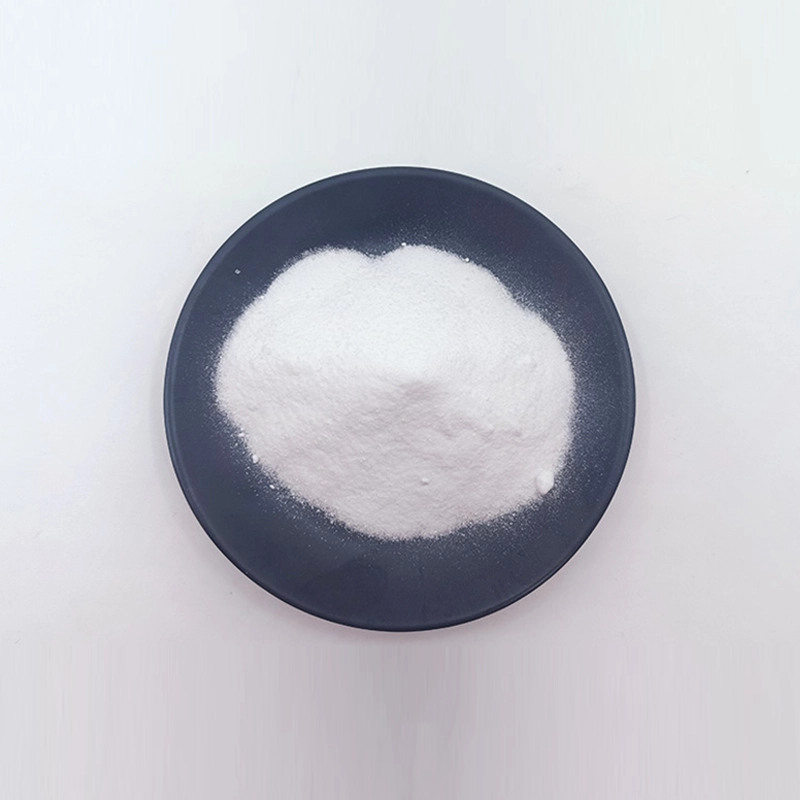
(EDTA acid): content (in terms of 452.2)% ≥ 99.0, chloride (in terms of Cl)% ≤ 0.01, sulfate (in terms of SO4)% ≤ 0.05, heavy metal (in terms of Pb)% ≤ 0.001, iron (in terms of Fe)% ≤ 0.001, drying loss (105±2℃)% ≤ 0.2, chelation value: mgCaCO3/g ≥ 339, pH value 2.8-3.0
Ethylenediaminetetraacetic acid (EDTA) is an organic compound with a chemical formula of C10H16N2O8, and is a white powder at room temperature and pressure. It is a chelating agent that can bind to divalent metal ions such as Mg2+, Ca2+, Mn2+, and Fe2+. Since most nucleases and some proteases require Mg2+, it is often used as an inhibitor of nucleases and proteases; it can also be used to remove the inhibitory effect of heavy metal ions on enzymes.
Disodium ethylenediaminetetraacetate
(Sodium EDTA-2): content % ≥ 99.0, chloride (as Cl) % ≤ 0.01, sulfate (as SO4) % ≤ 0.05, heavy metal (as Pb) % ≤ 0.001, iron (as Fe) % ≤ 0.001, chelation value: mgCaCO3/g ≥ 265, pH value 4.0-5.0, NTA% ≤ 1.0, bulk density kg/m3850-1050, white crystalline powder
Disodium ethylenediaminetetraacetate, also known as EDTA-2Na, is a good complexing agent in chemistry. The chemical formula is C10H14N2Na2O8, and the molecular weight is 336.206. It has six coordinated atoms, and the complex formed is called a chelate. EDTA is often used in coordination titration, generally to determine the content of metal ions. EDTA has important uses in dyes, food, medicine and other industries.
Disodium ethylenediaminetetraacetic acid is a tasteless, odorless or slightly salty white or milky white crystalline or granular powder, which is odorless and tasteless. It is soluble in water and extremely difficult to dissolve in ethanol. It is an important chelating agent that can chelate metal ions in the solution. It prevents discoloration, deterioration, turbidity and oxidative loss of vitamin C caused by metals, and can also improve the antioxidant properties of oils and fats (trace metals in oils and fats such as iron and copper have the effect of promoting oil oxidation).
Tetrasodium ethylenediaminetetraacetate
(EDTA-4 sodium): content (in 452.2)% ≥ 99.0, chloride (in Cl)% ≤ 0.01, sulfate (in SO4)% ≤ 0.05, heavy metal (in Pb)% ≤ 0.001, iron (in Fe)% ≤ 0.001, chelation value: mgCaCO3/g ≥ 220, pH value 10.5-11.5, NTA% ≤ 1.0, bulk density kg/m3700-950, white crystalline powder
EDTA-4Na, also known as tetrasodium ethylenediaminetetraacetate, is an important chelating agent and metal masking agent, which can be used in textile dyeing, water treatment, color photosensitization, medicine, daily chemical industry, papermaking and other industries.
White crystalline powder. Soluble in water and acid, insoluble in alcohol, benzene and chloroform. It is used as a chelating agent, a polymerization initiator for styrene-butadiene rubber, an initiator for acrylic fiber, etc.
It is used as a water softener, a synthetic rubber catalyst, an acrylic fiber polymerization terminator, a printing and dyeing auxiliaries, a detergent auxiliaries, etc. It is also used for titration in chemical analysis, and can accurately titrate a variety of metal ions, and is widely used.
As can be seen from the above, the biggest difference between disodium ethylenediaminetetraacetic acid, tetrasodium ethylenediaminetetraacetic acid, and EDTA acid is the pH value. Tetrasodium ethylenediaminetetraacetic acid has the highest chelation value under alkaline conditions. Therefore, in relatively alkaline reactions, it is recommended to use tetrasodium ethylenediaminetetraacetic acid, such as soap manufacturing, etc. Disodium ethylenediaminetetraacetic acid has a relatively wide pH range, and can exert good chelating ability in weak acid, neutral, and weak alkaline conditions. It is also the most widely used.
Also look at the solubility. The solubility of EDTA acid and disodium ethylenediaminetetraacetic acid in water is very small, while tetrasodium ethylenediaminetetraacetic acid is relatively large. Therefore, according to different needs, different chelating agents can also be selected. Finally, look at the chelation value. Taking CaCO3 as an example, the chelation value is EDTA acid> disodium ethylenediaminetetraacetic acid> tetrasodium ethylenediaminetetraacetic acid.
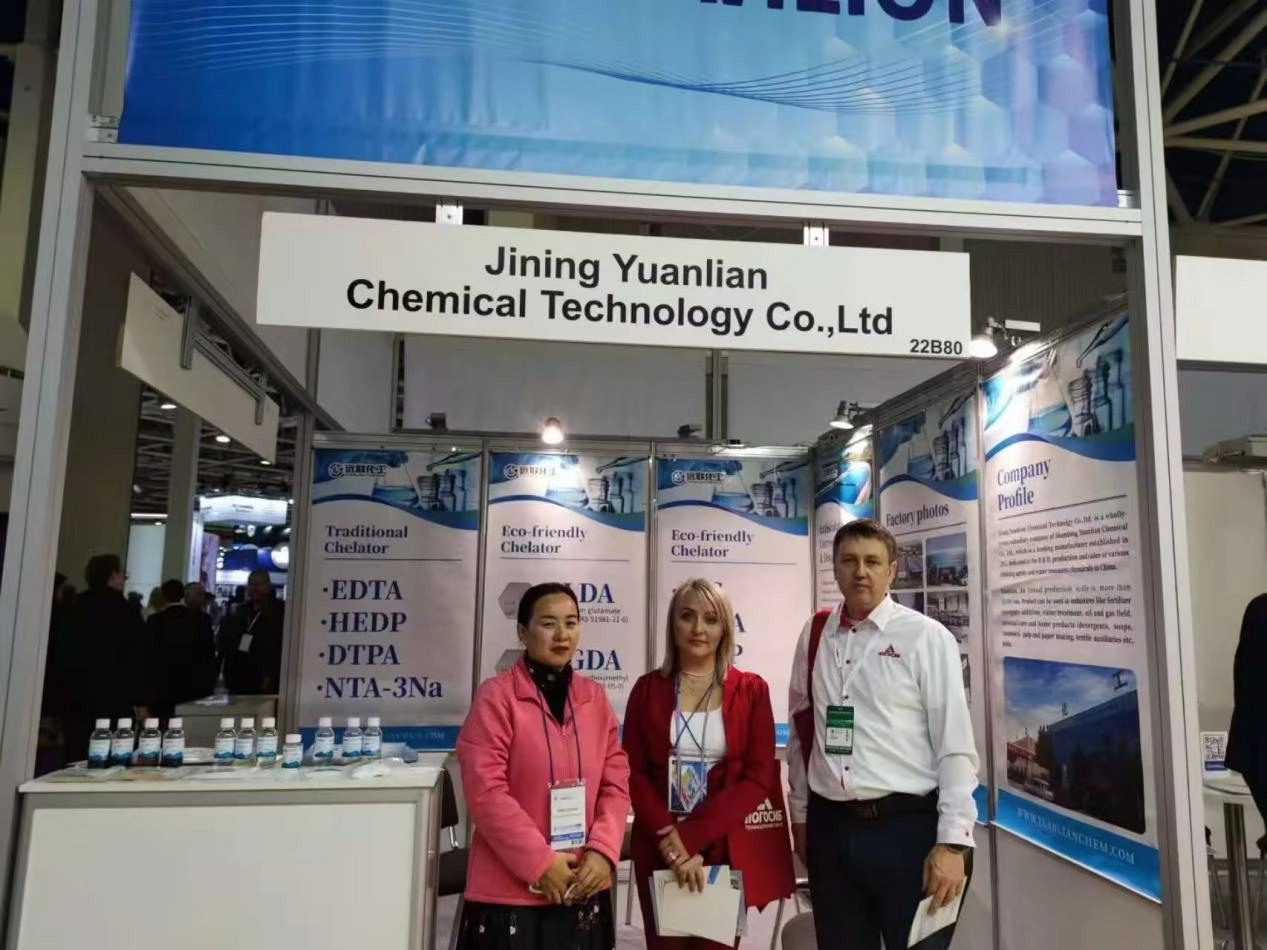
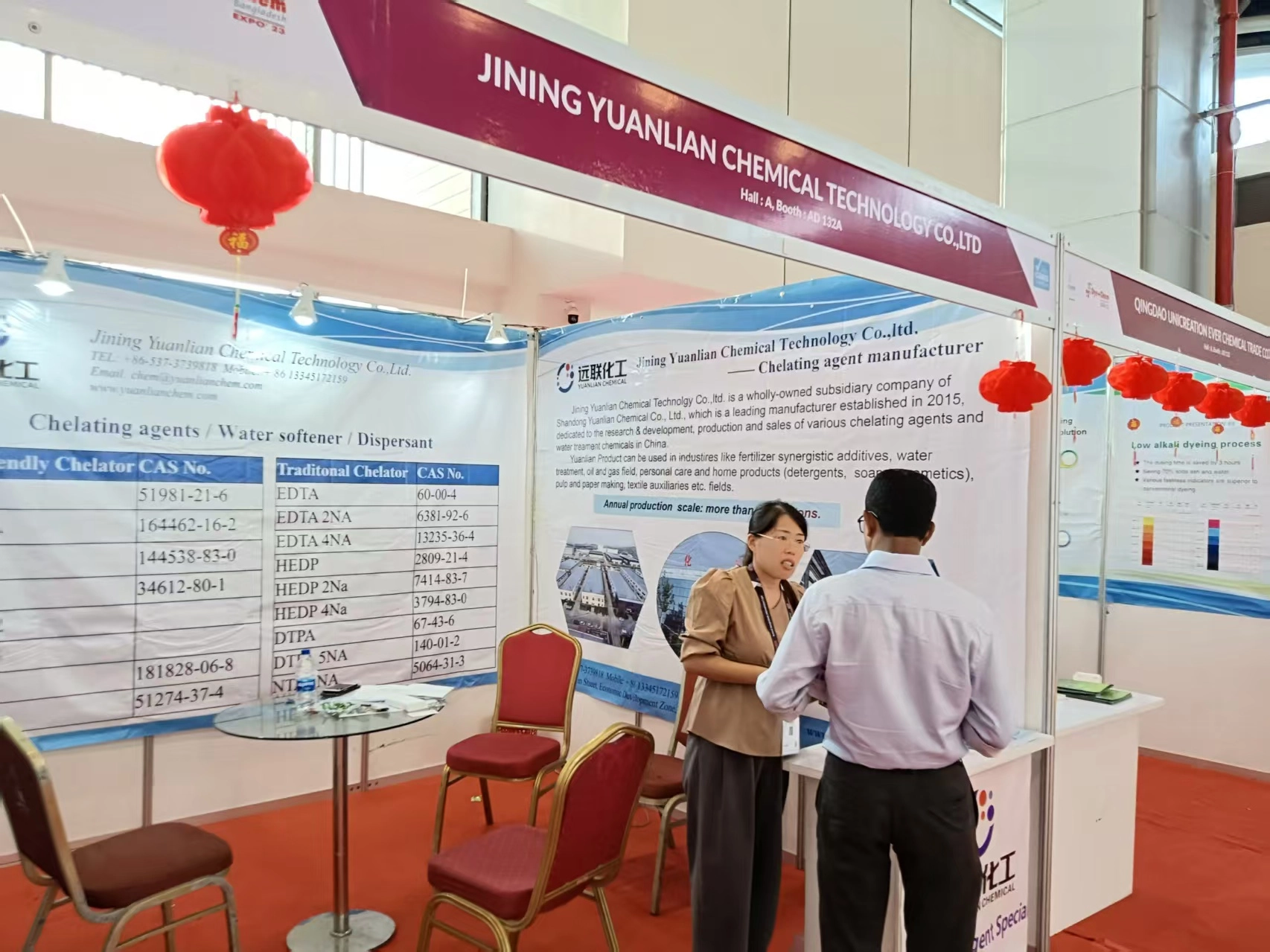
Jining Yuanlian Chemical Chemical Technology Co.,ltd is a leading supplier of EDTA/ EDTA 2NA/ EDTA 4NA in China, if any needs, welcome inquiry by: [email protected].
Latest News

Need help
Prefer speaking with a human to filling out a form? call corporate office and we will connect you with a team member who can help.