19 Sep
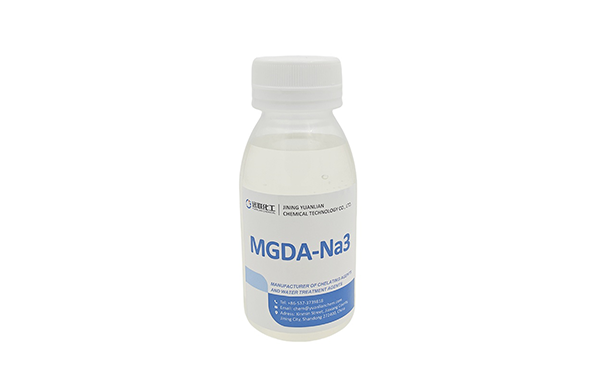
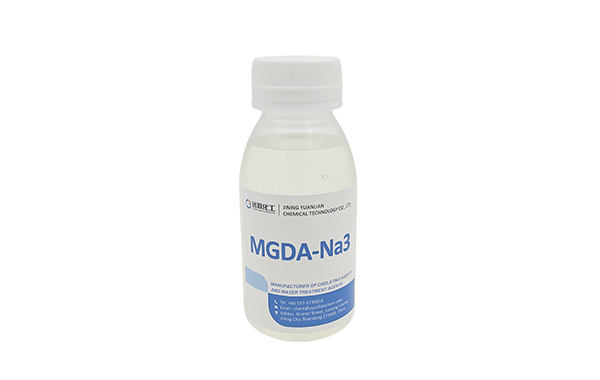
Detailed explanation of the application of MGDA-3NA in pesticide formulations
1. Introduction
In modern agricultural production, the stability and efficacy of pesticides are affected by many factors, including water quality, soil pH, metal ion interference, etc. Traditional pesticide formulations often use chelating agents such as EDTA (ethylenediaminetetraacetic acid) to stabilize active ingredients, but because EDTA is difficult to degrade, long-term use may cause environmental pollution. MGDA-3NA (methylglycine diacetic acid trisodium salt) is a new type of green chelating agent. With its excellent biodegradability, strong chelating ability and low ecotoxicity, it is increasingly widely used in pesticide formulations and can significantly improve the stability, solubility and absorption efficiency of pesticides.
2. The core role of MGDA-3NA in pesticide formulations
(1) Improving the stability of pesticide active ingredients
The active ingredients of many pesticides (such as glyphosate, 2,4-D, copper preparations, etc.) are easily combined with metal ions (such as Ca²⁺, Mg²⁺, Fe³⁺) in water or soil, resulting in precipitation or failure. MGDA-3NA can effectively chelate these metal ions, preventing the active ingredients of pesticides from being fixed or degraded, thereby extending the storage period and field efficacy of pesticides.
Example: In glyphosate formulations, Ca²⁺ and Mg²⁺ in hard water easily combine with glyphosate to form insoluble salts, reducing the weed control effect. After adding MGDA-3NA, it can effectively chelate metal ions, keep glyphosate in a dissolved state, and improve the efficacy by 20%-30%.
(2) Enhance the adaptability of pesticides in hard water
In many areas, the water used for irrigation or spraying is hard (containing high concentrations of Ca²⁺ and Mg²⁺). Traditional pesticides are prone to precipitation, affecting spray uniformity and efficacy. MGDA-3NA can soften water quality and prevent pesticides from becoming ineffective due to interference from metal ions. It is particularly suitable for pesticide applications in hard water areas.
Experimental data: In hard water containing 300ppm Ca²⁺, paraquat solution without MGDA-3NA precipitated within 30 minutes, while the formulation with 0.5% MGDA-3NA remained stable for more than 24 hours.
(3) Promote the foliar absorption of pesticides
The penetration of pesticides on the plant surface is affected by the wax layer and cuticle. Some pesticides have difficulty penetrating the plant epidermis, which reduces their efficacy. MGDA-3NA can slightly soften the plant epidermal wax layer, enhance the wettability and permeability of pesticides, and improve absorption efficiency.
Research support: In the formulation of insecticides (such as imidacloprid) containing MGDA-3NA, the spreading area of the solution on the leaves increases by 15%-20%, and the absorption rate of systemic pesticides increases by 10%-15%.
(4) Reduce the photolysis and oxidative degradation of pesticides
Some pesticides (such as pyrethroids) are prone to photolysis under sunlight, and an environment containing metal ions may accelerate oxidative degradation. MGDA-3NA can chelate metal ions (such as Fe³⁺ and Cu²⁺) that catalyze degradation, delaying the decomposition of pesticides and prolonging their duration.
Application example: In copper-containing fungicides (such as Bordeaux mixture), MGDA-3NA can reduce the ineffective precipitation of Cu²⁺, improve the bioavailability of copper ions, and reduce the risk of crop damage.
3. Application of MGDA-3NA in different types of pesticides
(1) Herbicides
Glyphosate, glufosinate: MGDA-3NA prevents precipitation caused by metal ions and improves stability in hard water.
Sulfonylurea herbicides (such as nicosulfuron): Enhances activity in alkaline soils and reduces soil fixation.
(2) Insecticides
Pyrethroids (such as cypermethrin): Reduces photolysis and prolongs the duration of action.
Neonicotinoids (such as thiamethoxam): Improves leaf permeability and enhances systemic absorption.
(3) Fungicides
Copper preparations (such as copper hydroxide): prevent copper ion precipitation and improve fungicide effect.
Triazoles (such as tebuconazole): enhance the conductivity in plants.
(4) Plant growth regulators
Gibberellins, brassinolide: MGDA-3NA can improve their stability and prevent inactivation caused by metal ions.
Summary of advantages:
- More environmentally friendly than EDTA and will not remain in the environment for a long time.
- Stronger chelating ability than citric acid and suitable for a wider range of pesticide systems.
- Suitable for the development of green pesticides for sustainable agriculture and organic agriculture.
5. Future development trends
Compound synergistic technology: compounded with surfactants (such as alkyl polysaccharides) to further improve the absorption rate of pesticides.
Nano pesticide carriers: MGDA-3NA can be used to stabilize nano pesticides (such as nano copper, nano sulfur) and improve targeting.
Precision spraying system: combined with intelligent spraying technology, optimize the addition ratio of MGDA-3NA and reduce the dosage.
6. Conclusion
The use of MGDA-3NA in pesticide formulations not only addresses the challenges of traditional pesticides, such as metal ion interference, hard water precipitation, and poor foliar absorption, but also aligns with the development trend of green agriculture due to its excellent biodegradability. In the future, with advancements in pesticide formulation technology, MGDA-3NA is expected to become a mainstream chelating agent replacing EDTA, driving the pesticide industry towards higher efficiency and environmental friendliness.
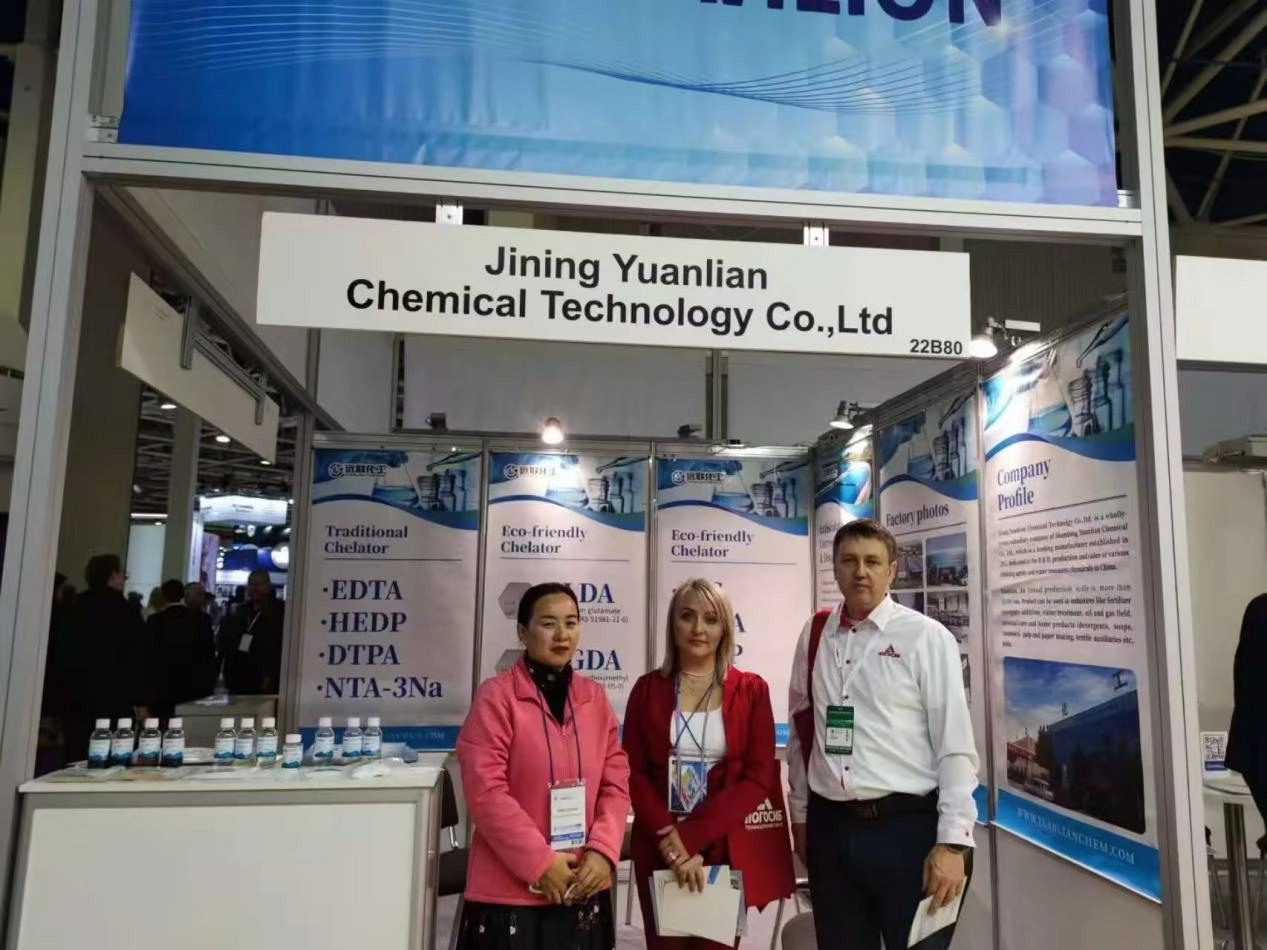
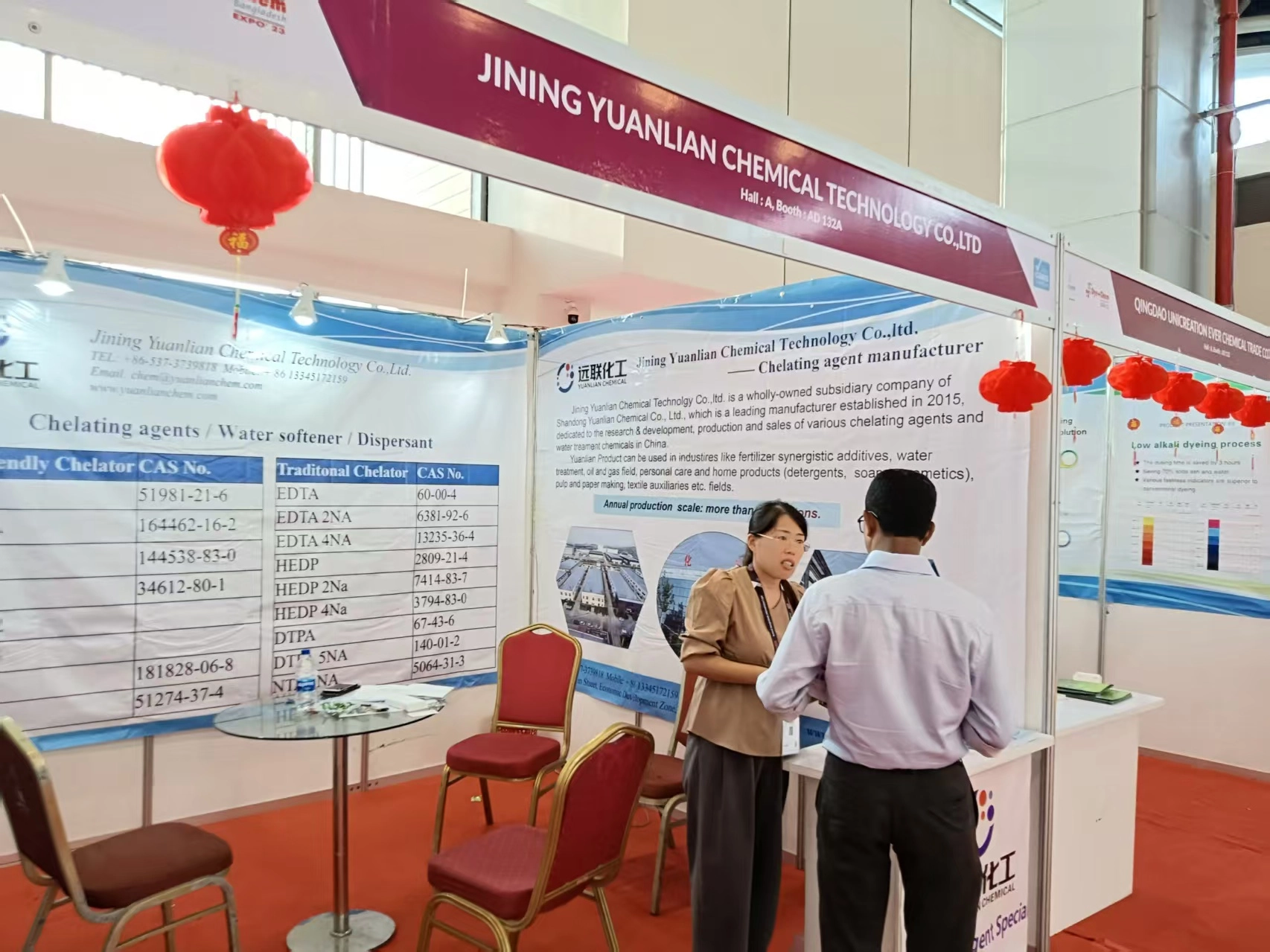
Jining Yuanlian Chemical Technology Co.,ltd, is a global leading producer of MGDA 3NA, if any needs, welcome inquiry by [email protected].
Latest News

Need help
Prefer speaking with a human to filling out a form? call corporate office and we will connect you with a team member who can help.